

In a marketplace overflowing with food imagery, product claims, flavors and innovations, simply getting noticed isn’t enough.
Why can one food image trigger an almost immediate physical response while another barely registers? The answer lies in craveability.
Because when it comes to food, we’re not just marketing ingredients, attributes or benefits. We’re marketing an experience our audience can almost taste.
Our Brains Eat First
Before we take a bite, our brains are already at work. Our brains are excellent at connecting sensory signals. One cue can trigger another, letting us cook up an entire dining experience without any actual food in front of us.
- See steam rising from a bowl of rice, and you can almost feel the warmth.
- Read the word “crunch” in big, bold, crackly font, and suddenly you can imagine the sound and texture.
- See a GIF of sizzling bacon, and your nose immediately fills in the rest, leaving you wanting to search for the nearest diner.
This is what brings cravings to a raging boil.
When marketing builds anticipation around crispness, creaminess, richness, heat or freshness, it starts building the experience before the product is ever consumed.

The Art of Crafting Craveability
Creating appetizing advertising isn’t about making food look perfect. It’s about making it feel irresistible.
Show the Experience, Not Just the Product
A product shot tells someone what they’re looking at. A craveably crafted visual helps them imagine what happens next.

Texture is one of the fastest ways to communicate appetite appeal. The golden crunch of fried chicken. The glossy richness of mac and cheese. A juicy cut of barbecue revealing perfectly pink and tender smoke rings.
Movement can be equally powerful. An iconic cheese pull. Rising steam. A knife cutting through a perfectly cooked center. A spoon scooping, spreading or breaking through a crisp layer.

Create a Soundscape with Your Words
But craveability doesn’t live in imagery alone. The brand’s voice and tone, and the accompanying messaging, are just as powerful. Words that evoke any of the five senses can create anticipation instantly.

Claim vs. Experience: Think of the difference between describing Italian sausage as “delicious” and describing it as “tongue-tingling flavor with true Italian savoriness.” It gives the reader a tangible, relatable feeling they can easily imagine.
Sensorial Language: Instead of crispy, is it crackling, golden or shatteringly crisp? Instead of creamy, is it silky, whipped or velvety? Instead of flavorful, is it garlicky, buttery, tangy or charred?
The more clearly a description taps into the senses, the easier it is for the audience to fill in the experience mentally.
This is where food marketing shifts from being product-first to experience-first. The strongest marketing doesn’t ignore product benefits. It pairs optimal imagery and messaging to give those benefits more context.
Craving Memories, Moments & Culture
Of course, cravings aren’t created by sensory cues alone. Where we’ve been, who we’re with, and what’s happening around us deeply influence what we crave.
Culture: What foods we grow up with, the traditions we participate in and what holidays we celebrate.
Occasion: A breakfast craving is different from a late-night craving. Game day calls for something different than packing a lunch for school or work.
Environment: Looking at a restaurant menu is a totally different mindset than perusing a grocery shelf. A tropical vacation brings relaxed, indulgent energy, while a perfectly set table feels more formal.
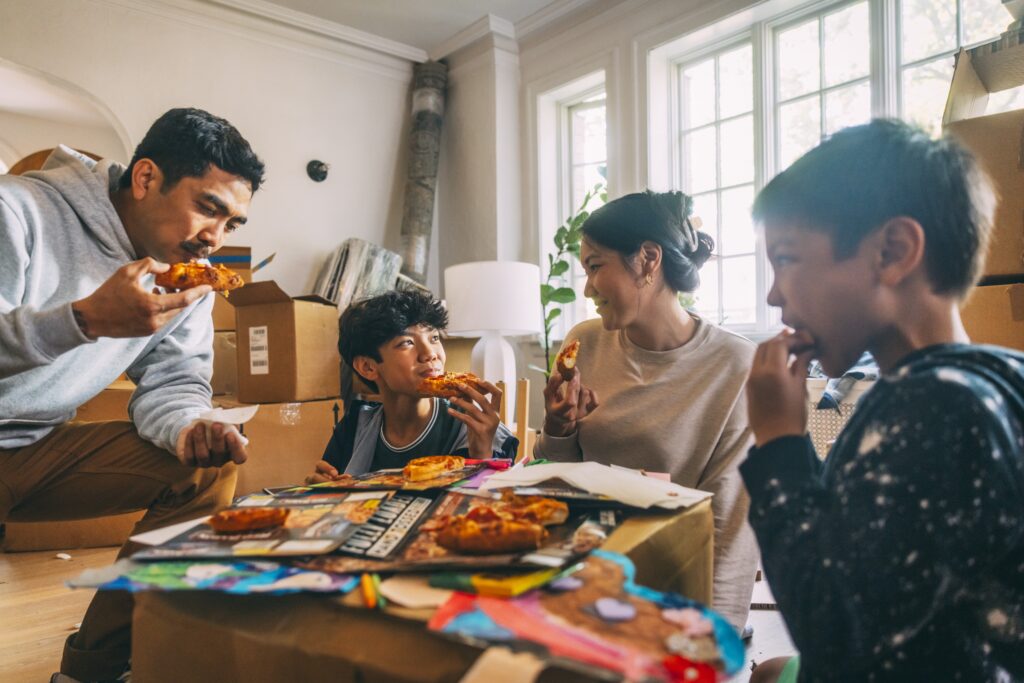
Social Influence: A friend posting their happy hour appetizers. A busy, popular restaurant. Food has always been social, and today’s digital culture has made sharing food visually part of the eating experience itself.
Then there are the larger trends and cultural moments that give foods additional relevance. A flavor gaining momentum, like hot honey. A nostalgic dish making a comeback, PB&Js. A major sporting event, “the big game.” These moments can create the perfect opening for a product to become more than something people consume.
Don’t Just Make Them Notice. Make Them Want.
In a crowded marketplace, attention is only the beginning. The strongest brands turn attention into anticipation, and anticipation into desire.
Craveability gives marketers the framework for thinking beyond product information and toward a complete sensorial and emotional experience. It asks us to consider not only what we’re showing or saying, but what we’re making people imagine.
Because the goal isn’t simply to make someone stop scrolling, it’s to make them start imagining their next bite.
This article was originally published in partnership with Females in Food. Click here to read the original piece.


