We’re back from SIAL Paris 2026 – the world’s largest food and beverage trade show – and ready to share what we observed. Though the top 10 trends put forth by the organizers are not new (nutrition-maxxing, supporting gut-brain wellness, sensory indulgence, provenance, sustainability, plant-based diversification beyond meat, snacking, value, the role of digital, and long-tail innovation serving a wide range of niche needs), the innovation and creativity we witnessed certainly was.
Piggybacking off that creativity, we invite you to enter this interactive gallery and take in our top 30 favorite finds amongst all eight halls – spanning technology, product innovation, packaging, booth design and engagement, cultural artifacts (that cue a sense of place), and merchandising.
TECHNOLOGY
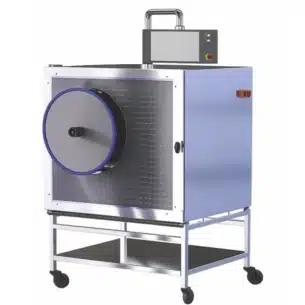
Water Fry Zeen-Tech
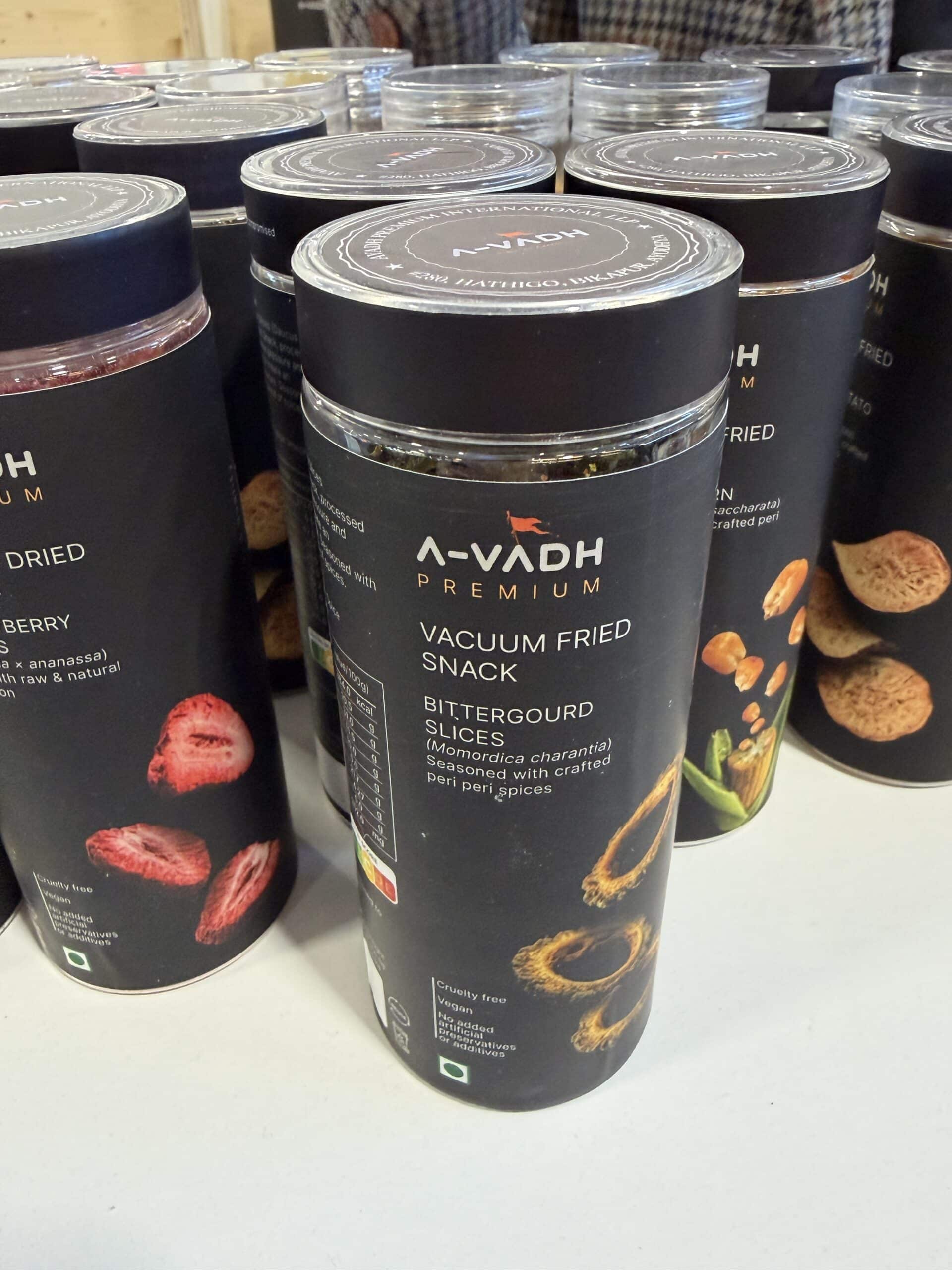
Vacuum Fried A-vadh
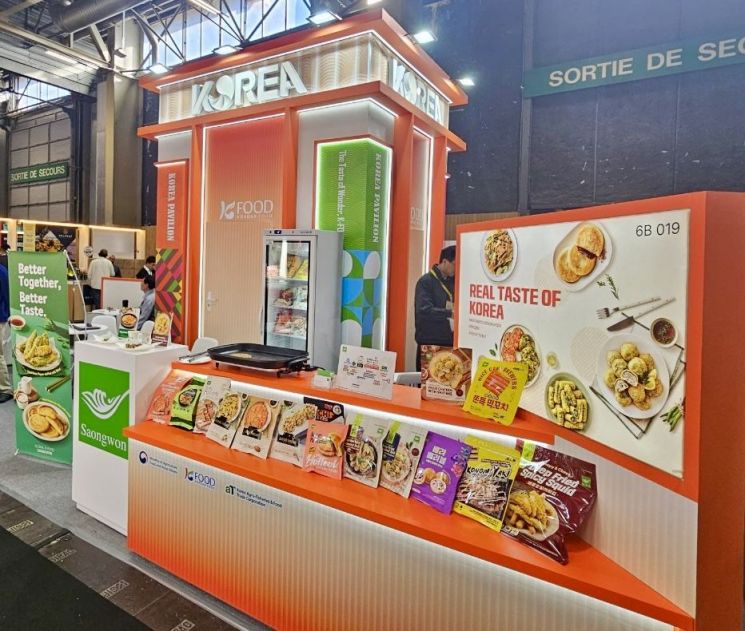
Saongwon Advanced Rapid Freezing
PRODUCT
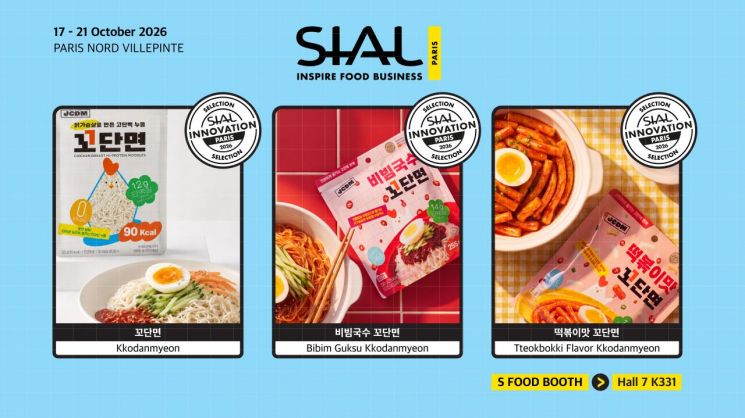
Noodle Chicken
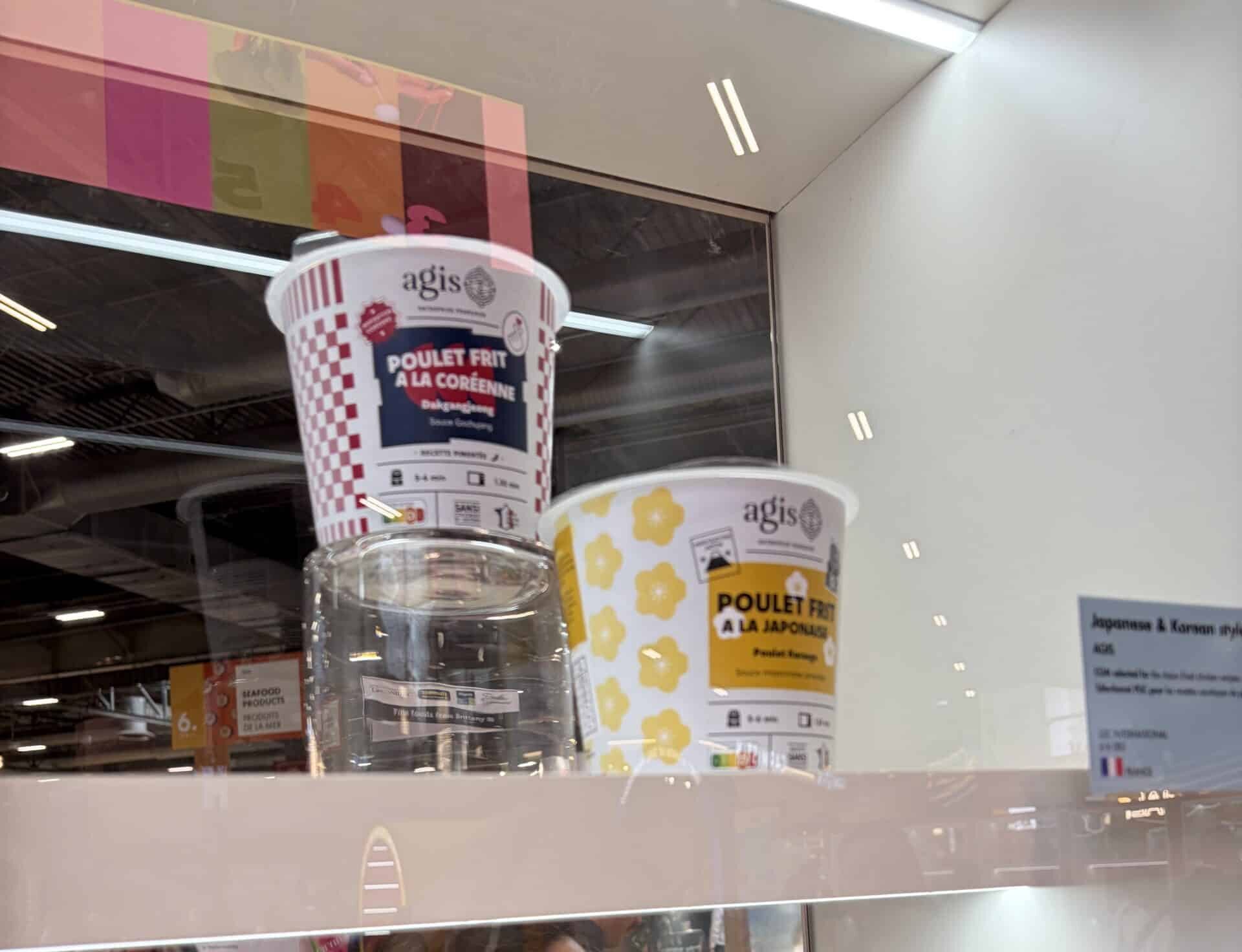
AGIS Street Food Crunch Clean Label
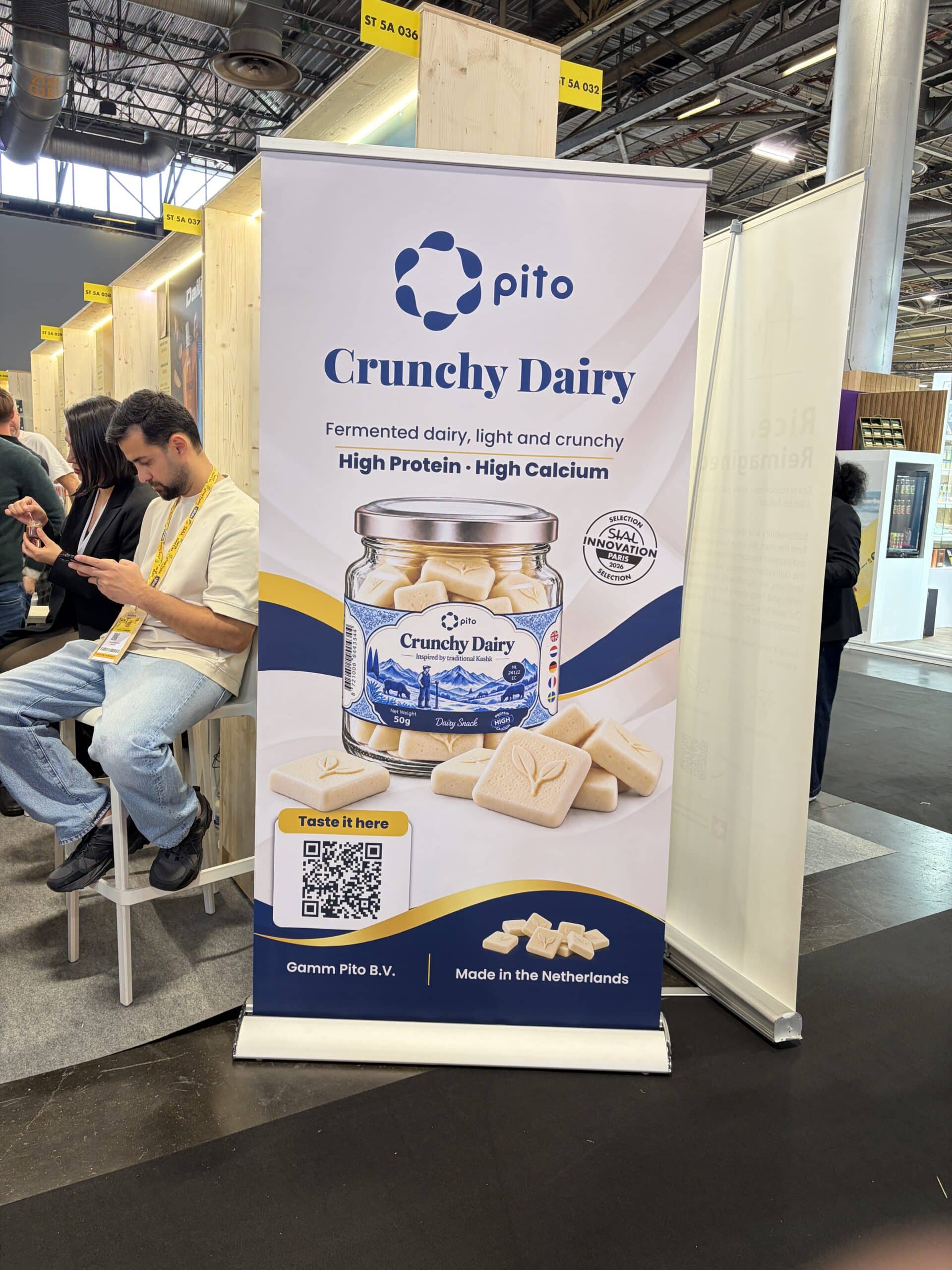
Crunchy Dairy
Magic Soba
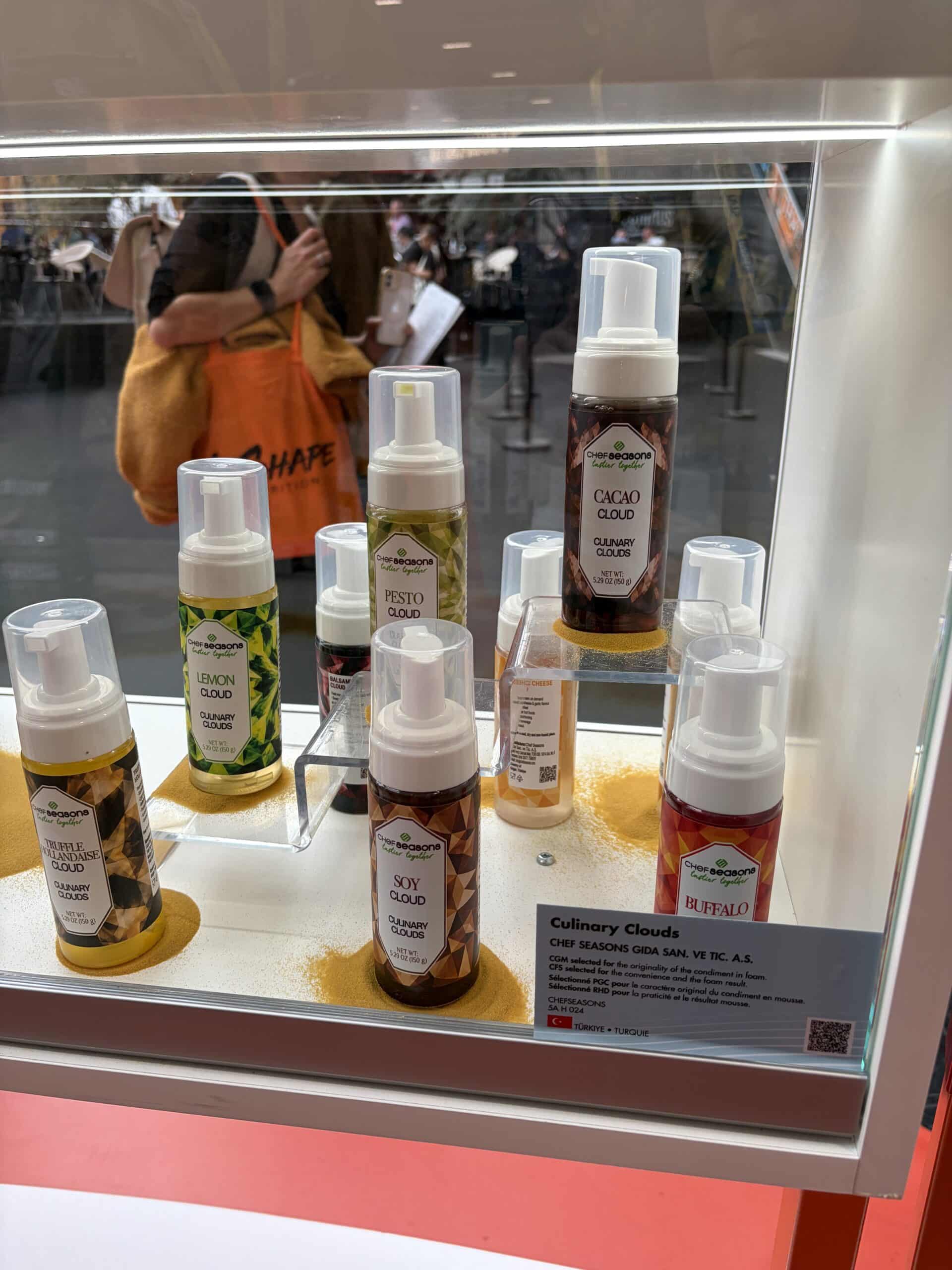
Culinary Clouds
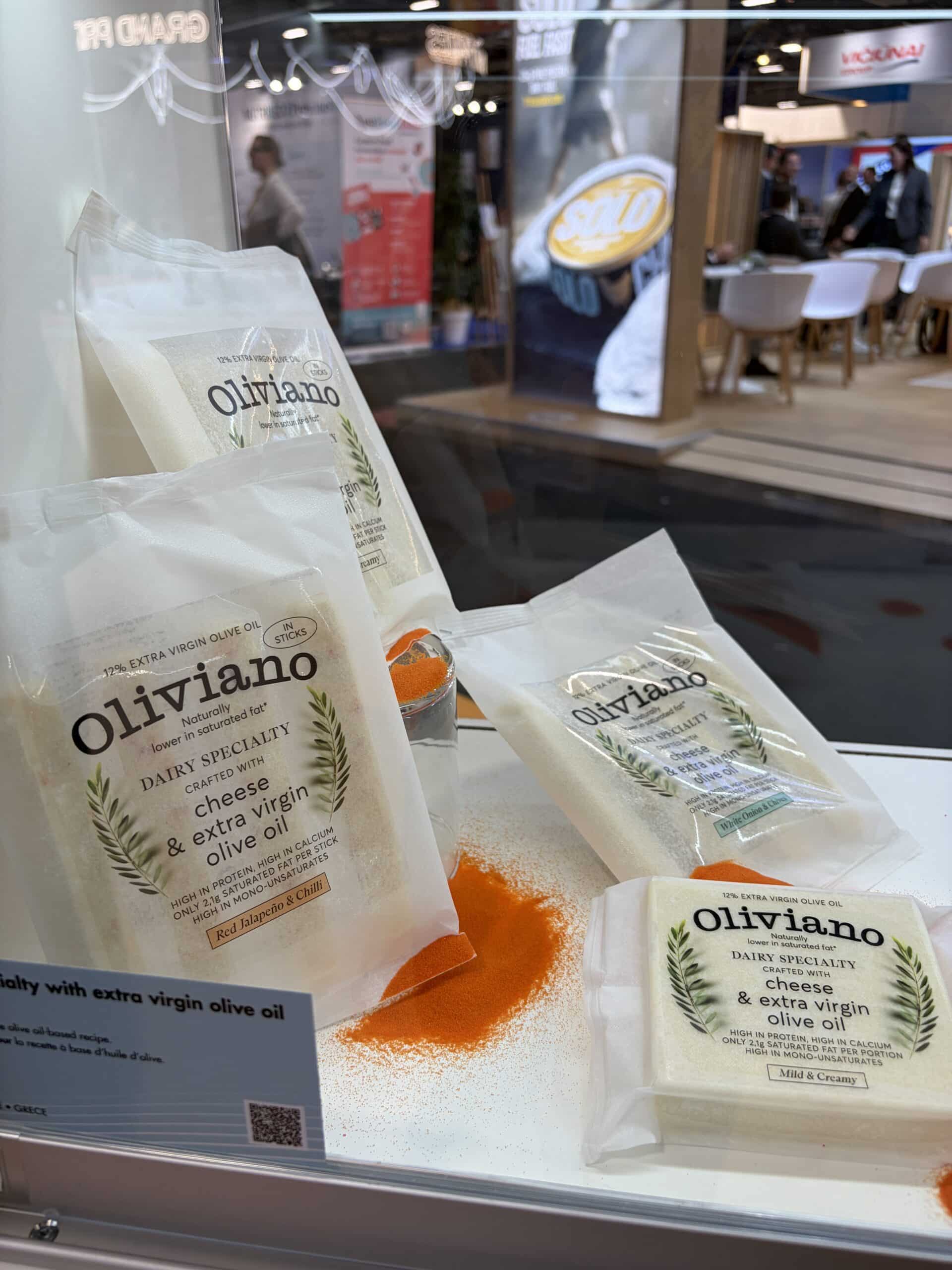
Olive Oil Cheese
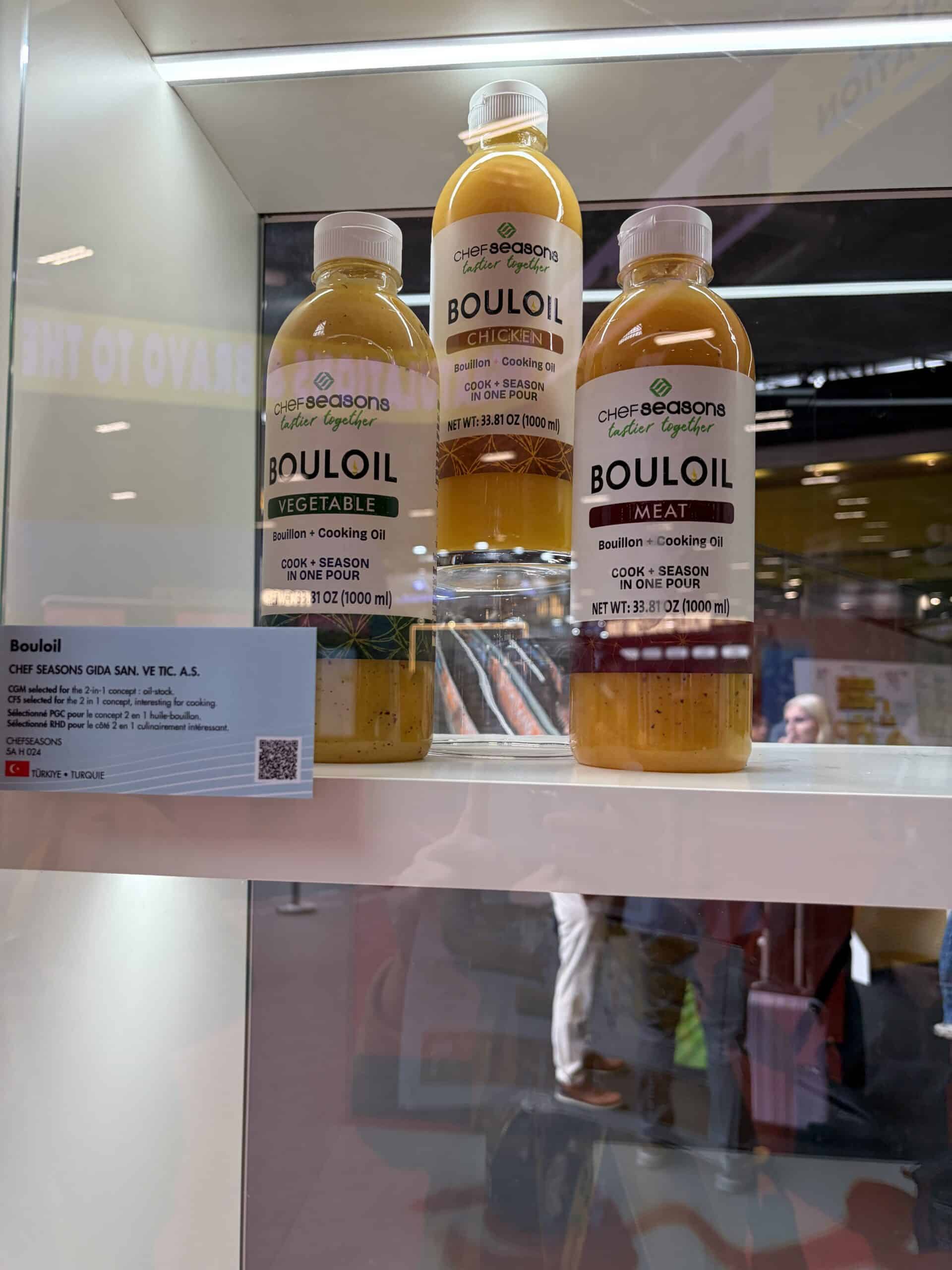
Bouloil
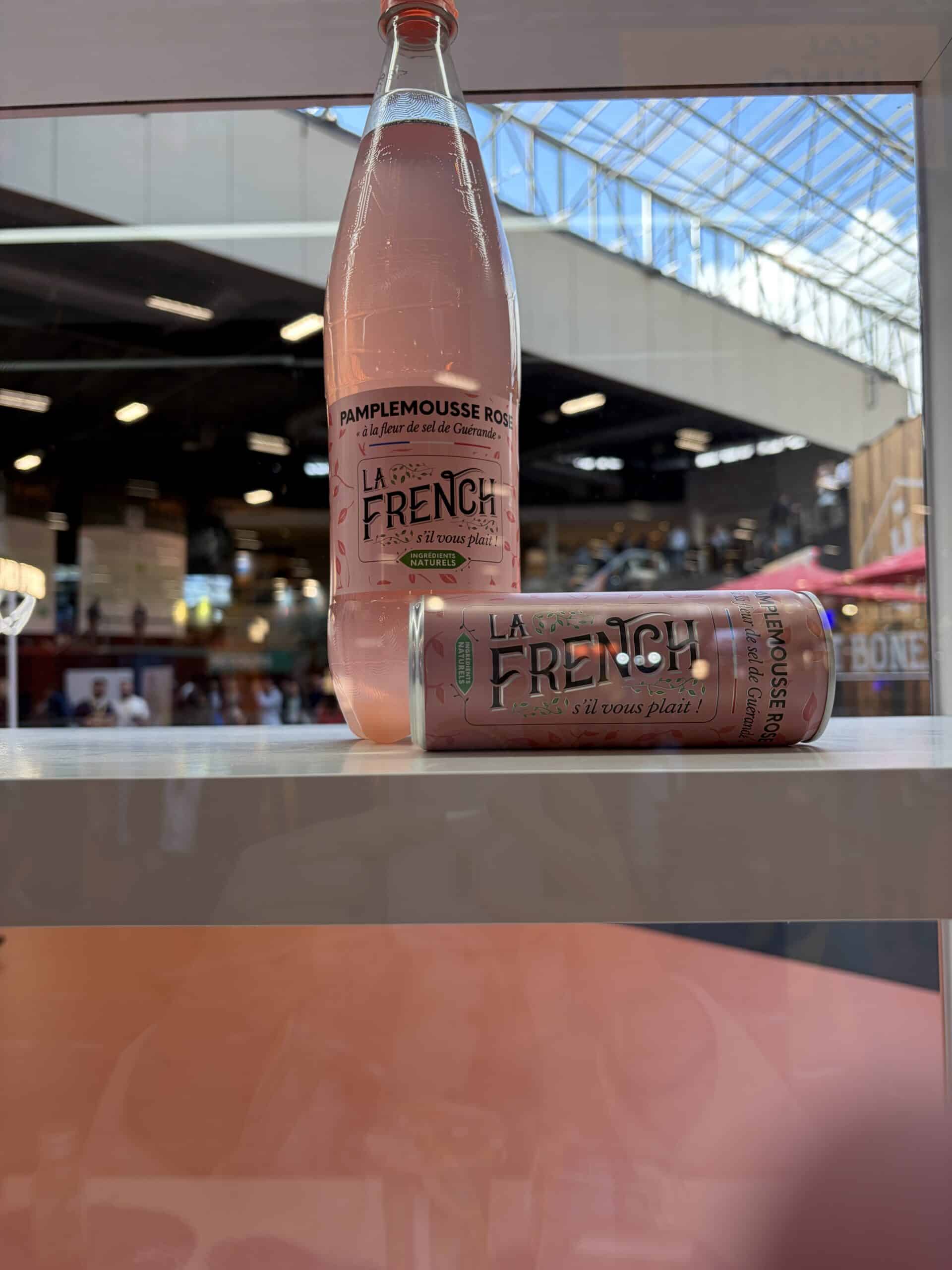
Salted Lemonade
PACKAGING
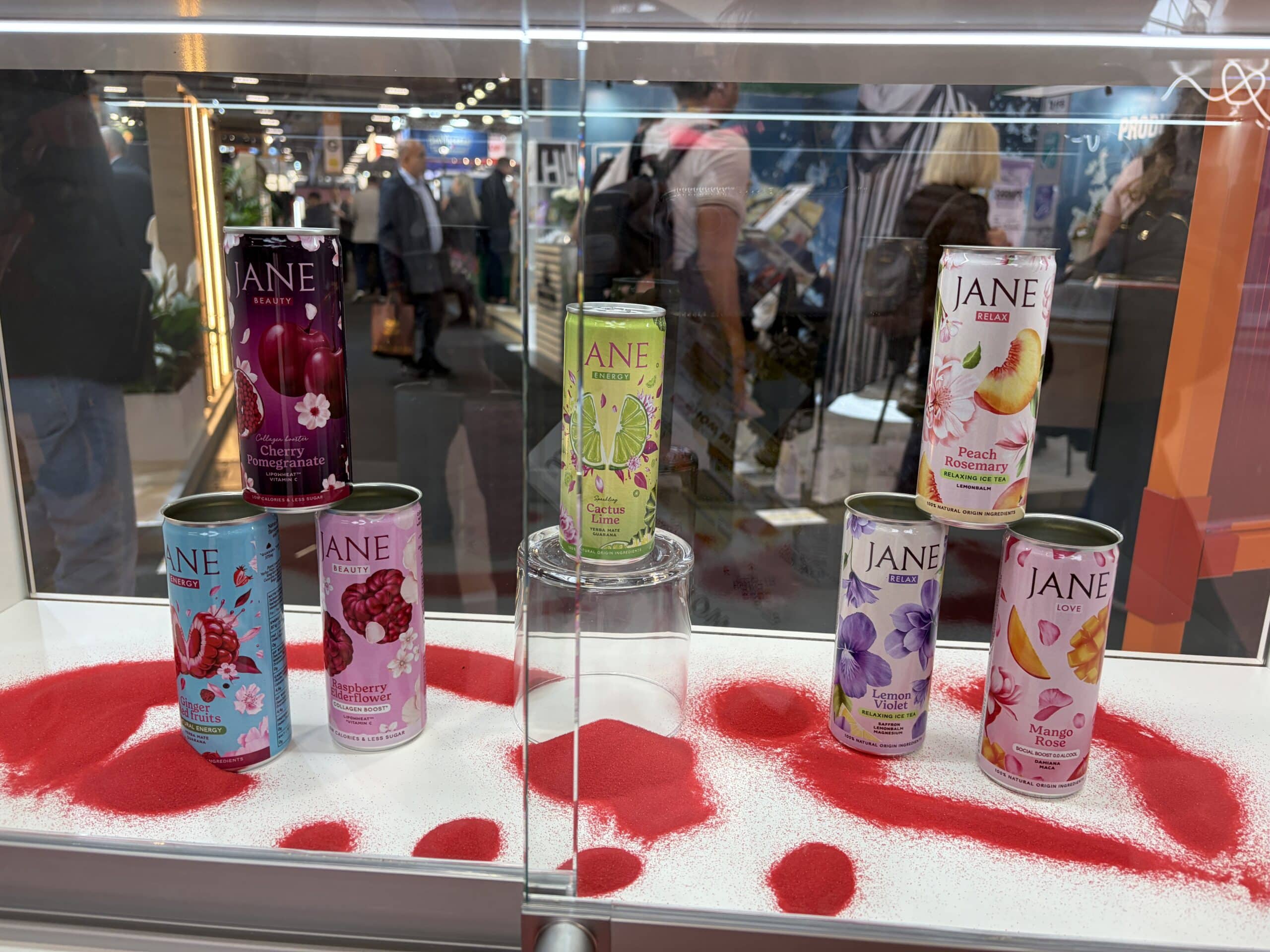
Jane
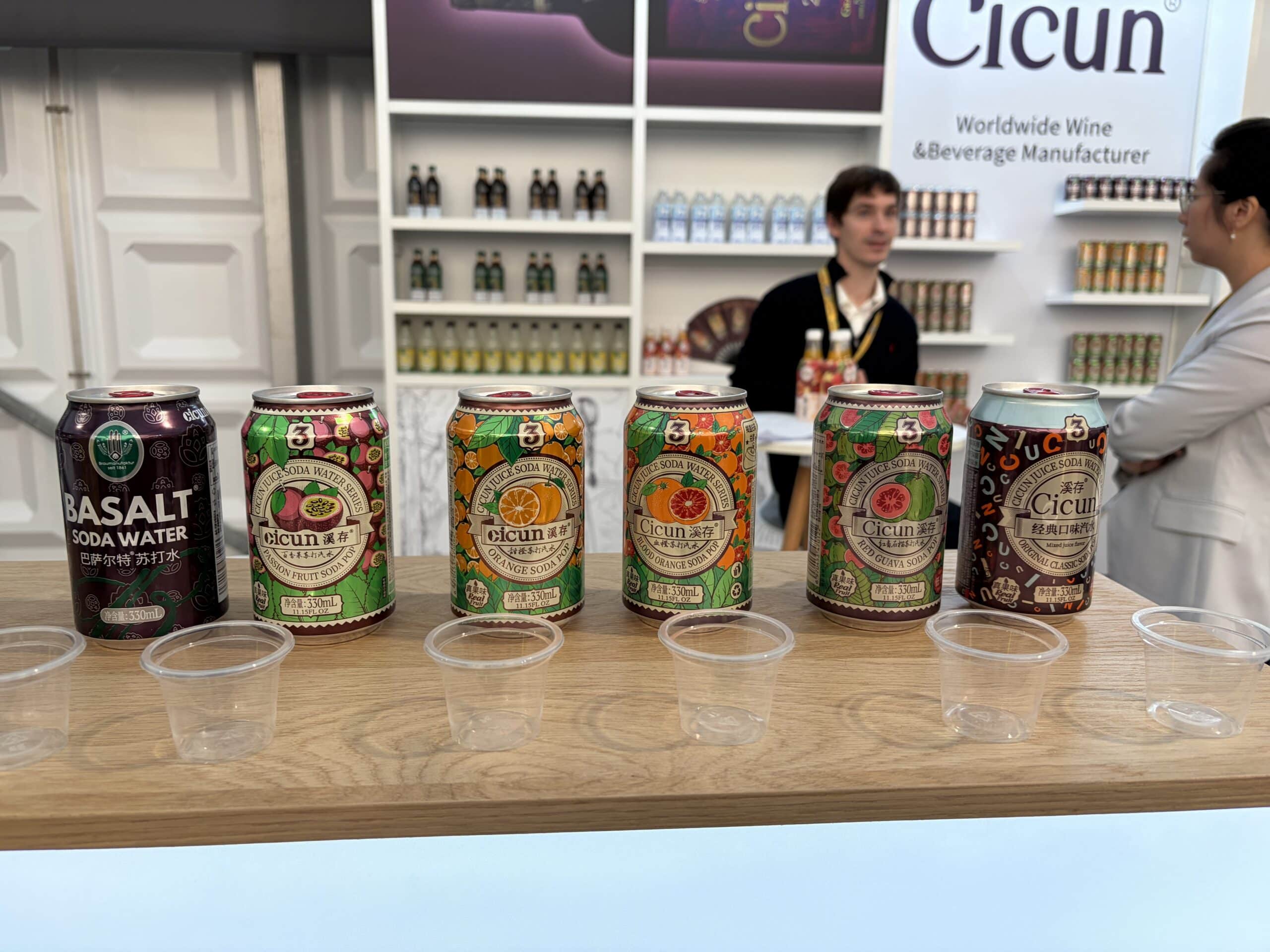
Cicun
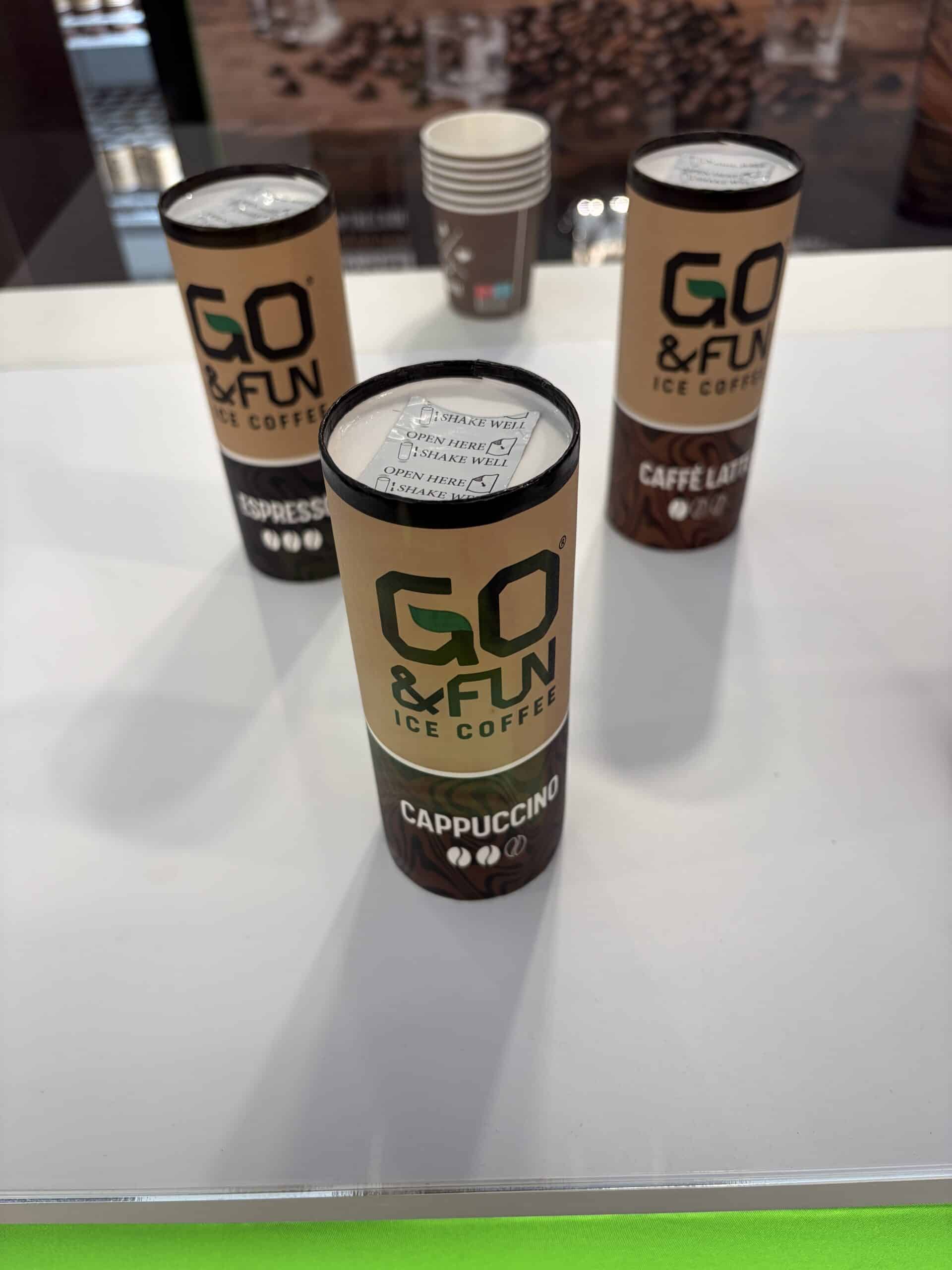
Go & Fun Coffee
BOOTH DESIGN
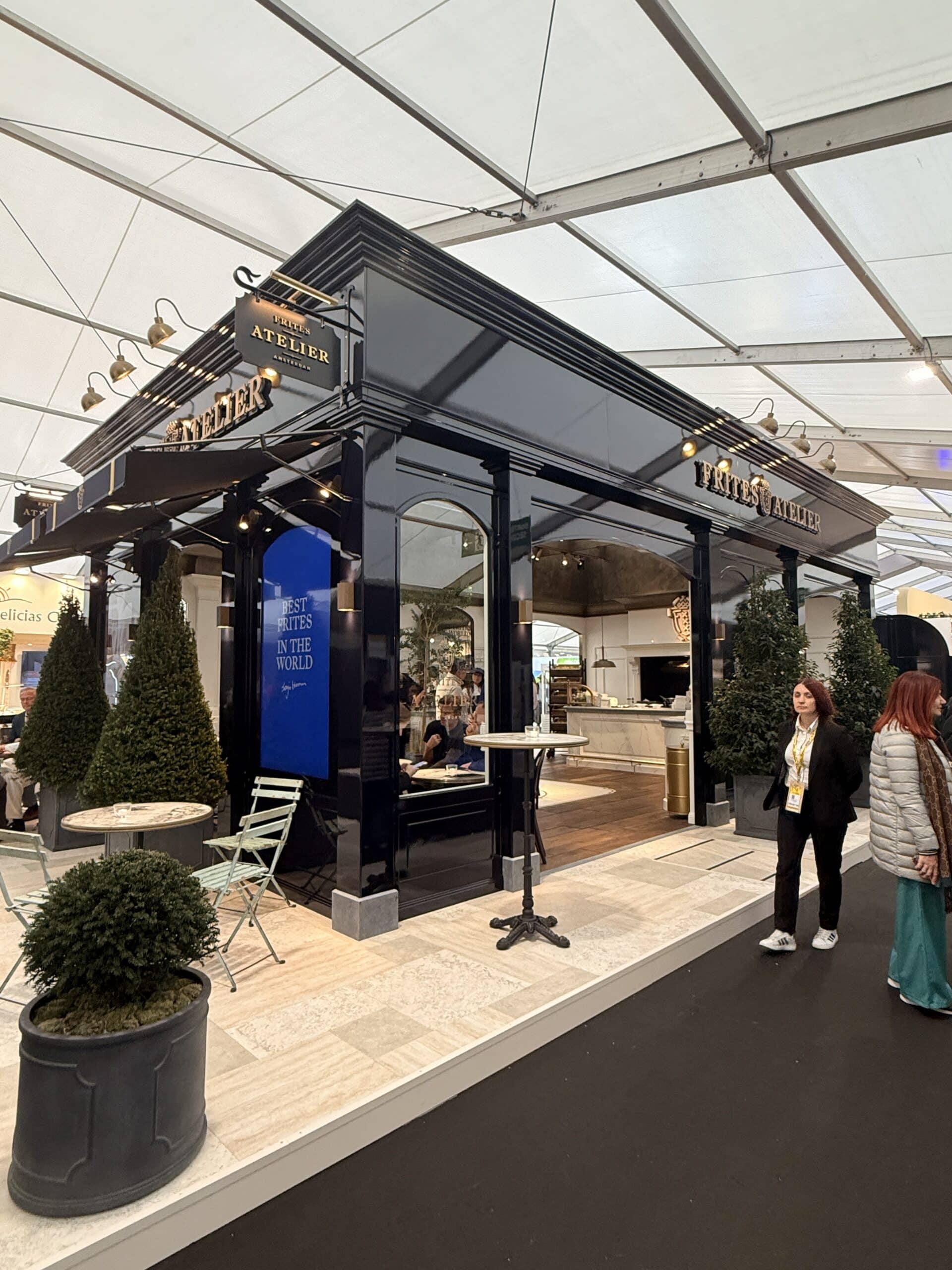
Frites Atelier
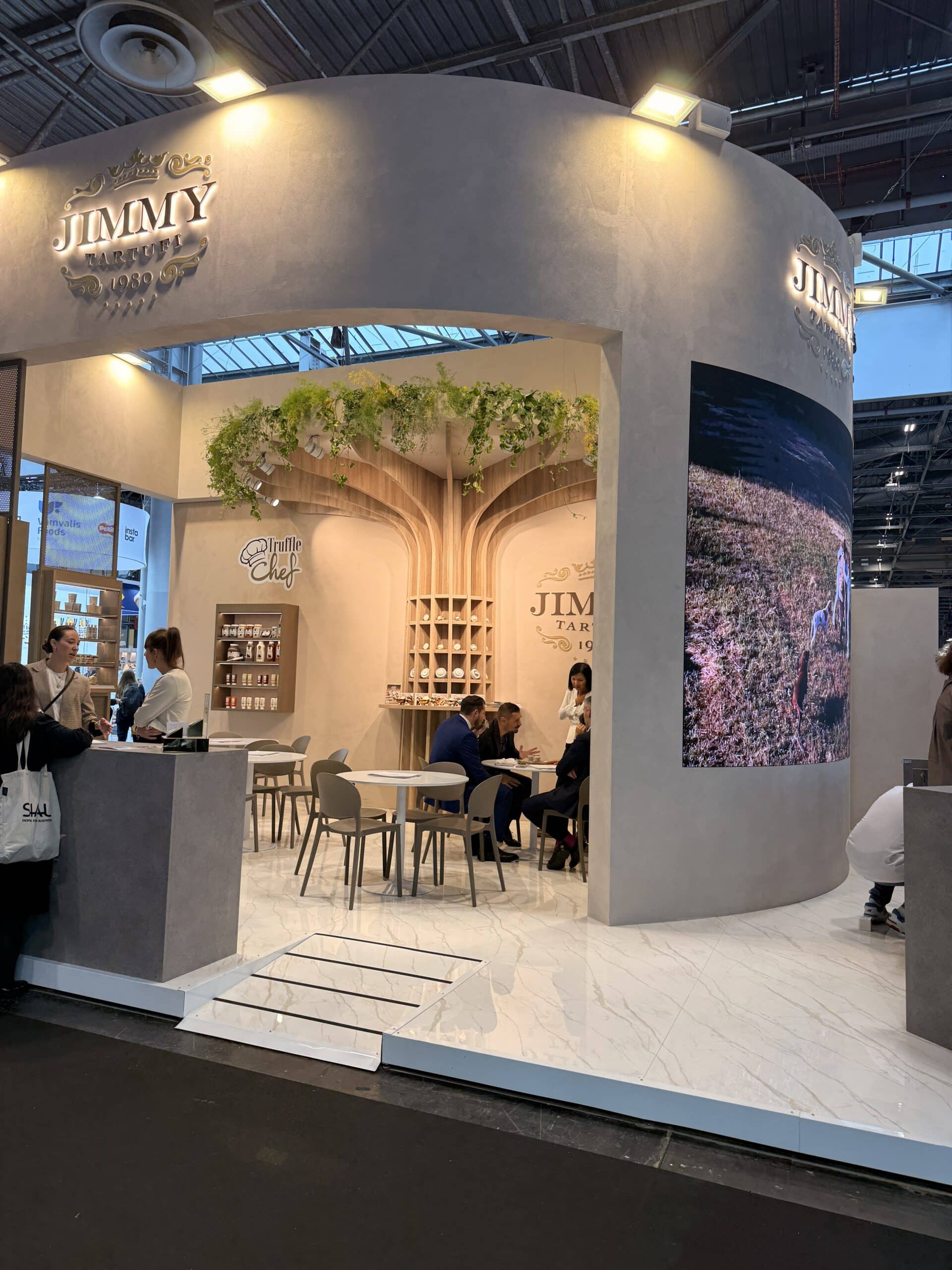
Jimmy Tartufi
BOOTH UNIFORMS
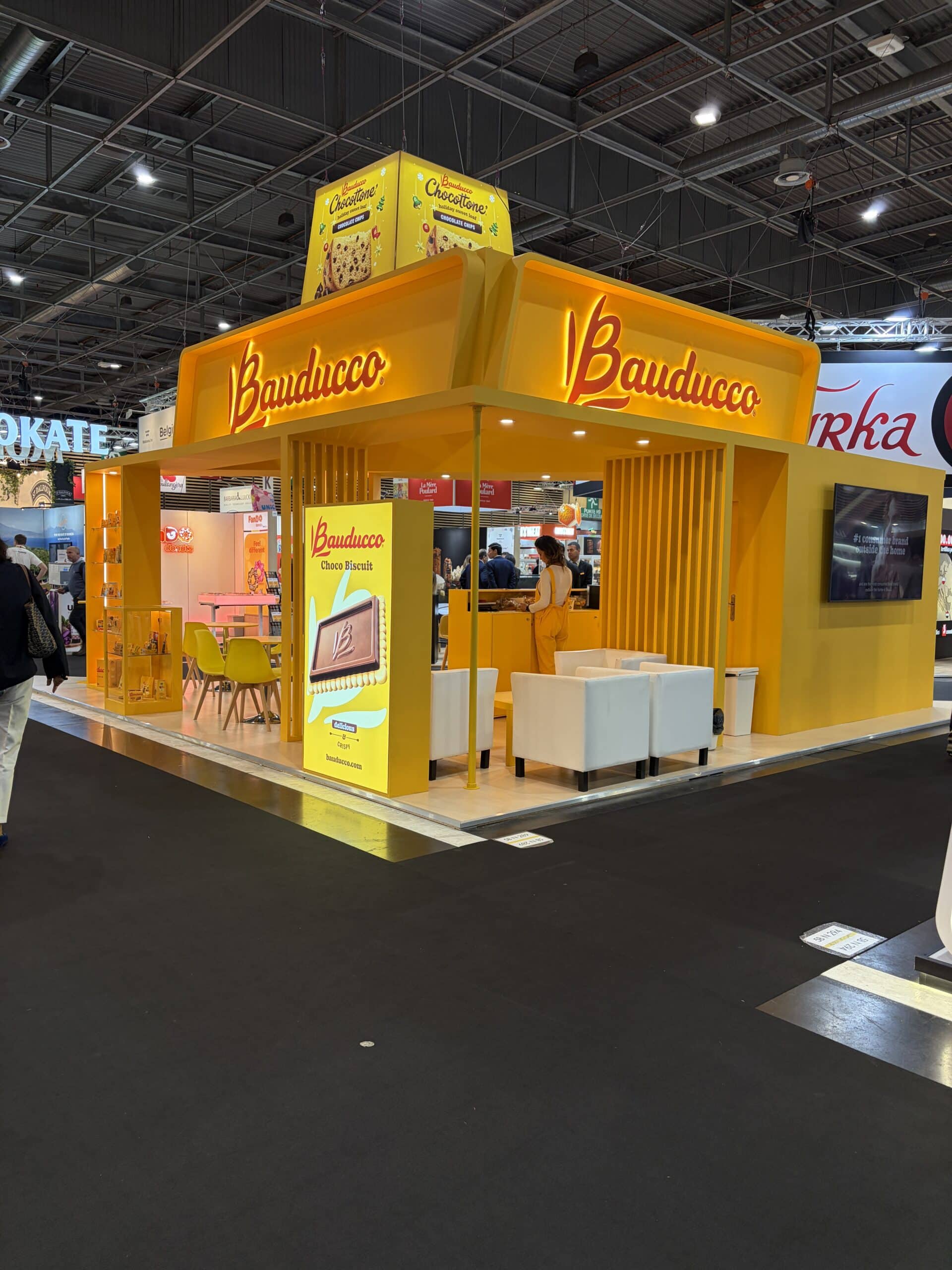
Bauducco
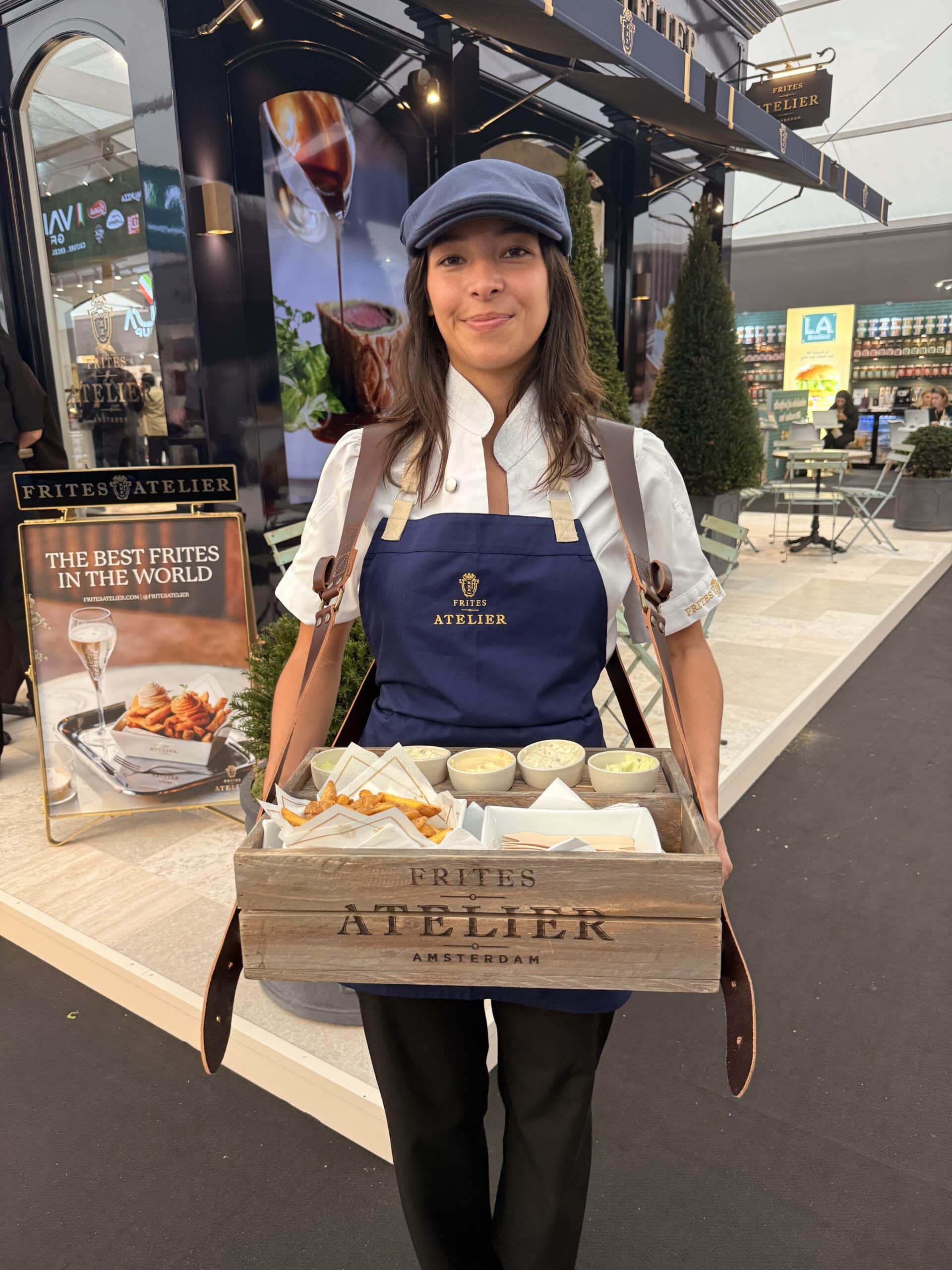
Frites Atelier
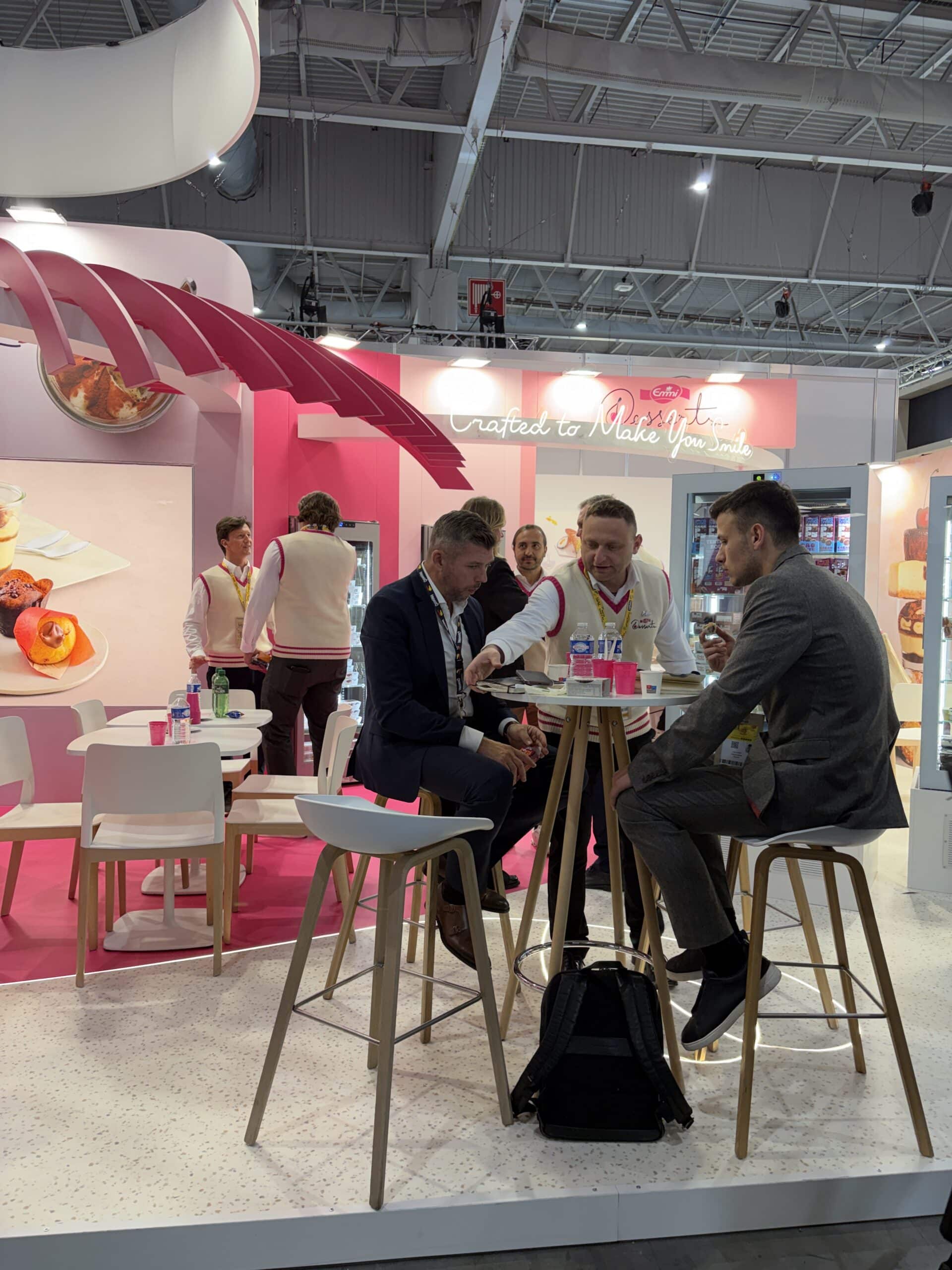
Emmi
CULTURAL ARTIFACTS
Buldak Conveyor
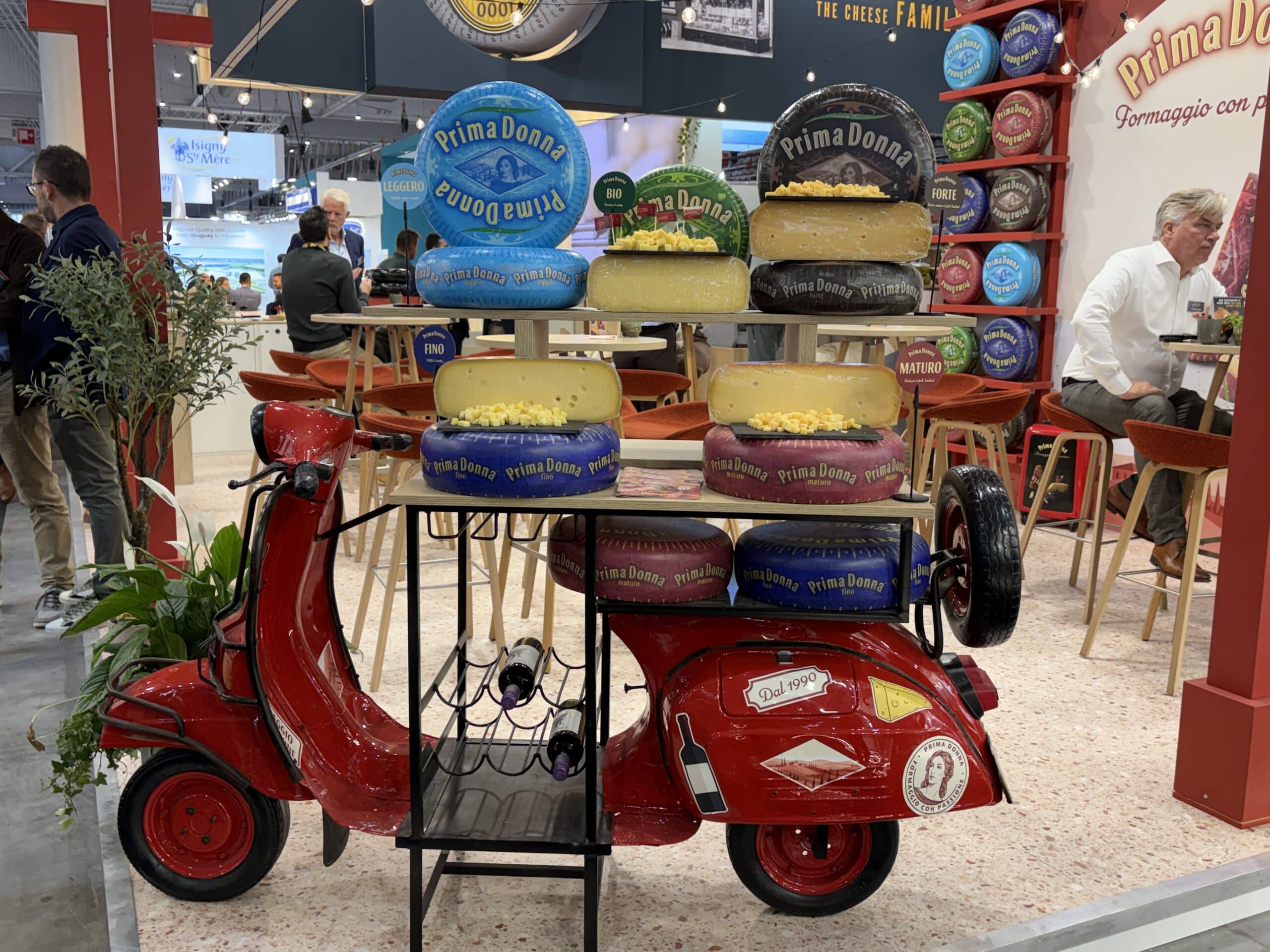
Vespa Prima Donna
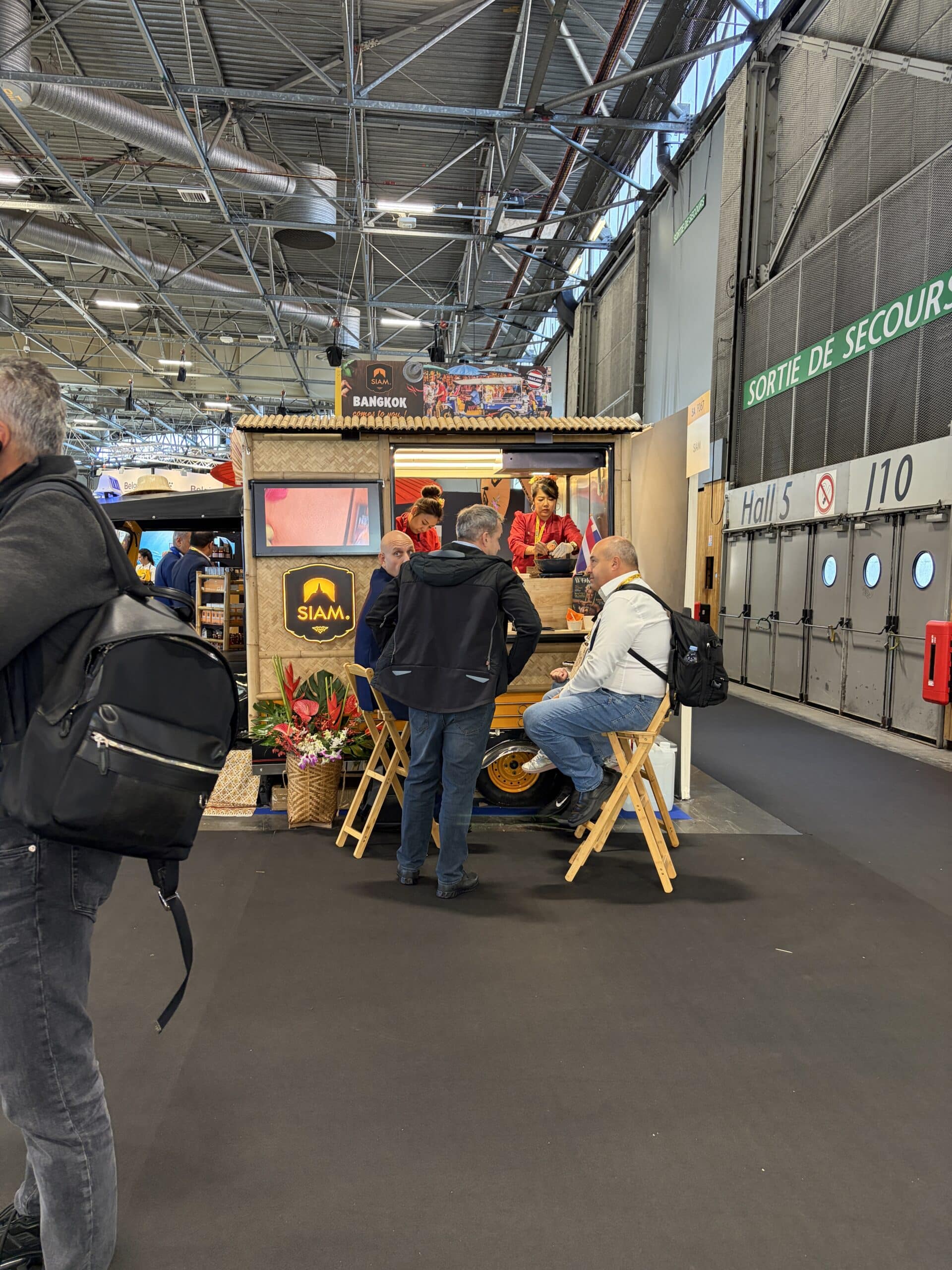
Siam Food Truck
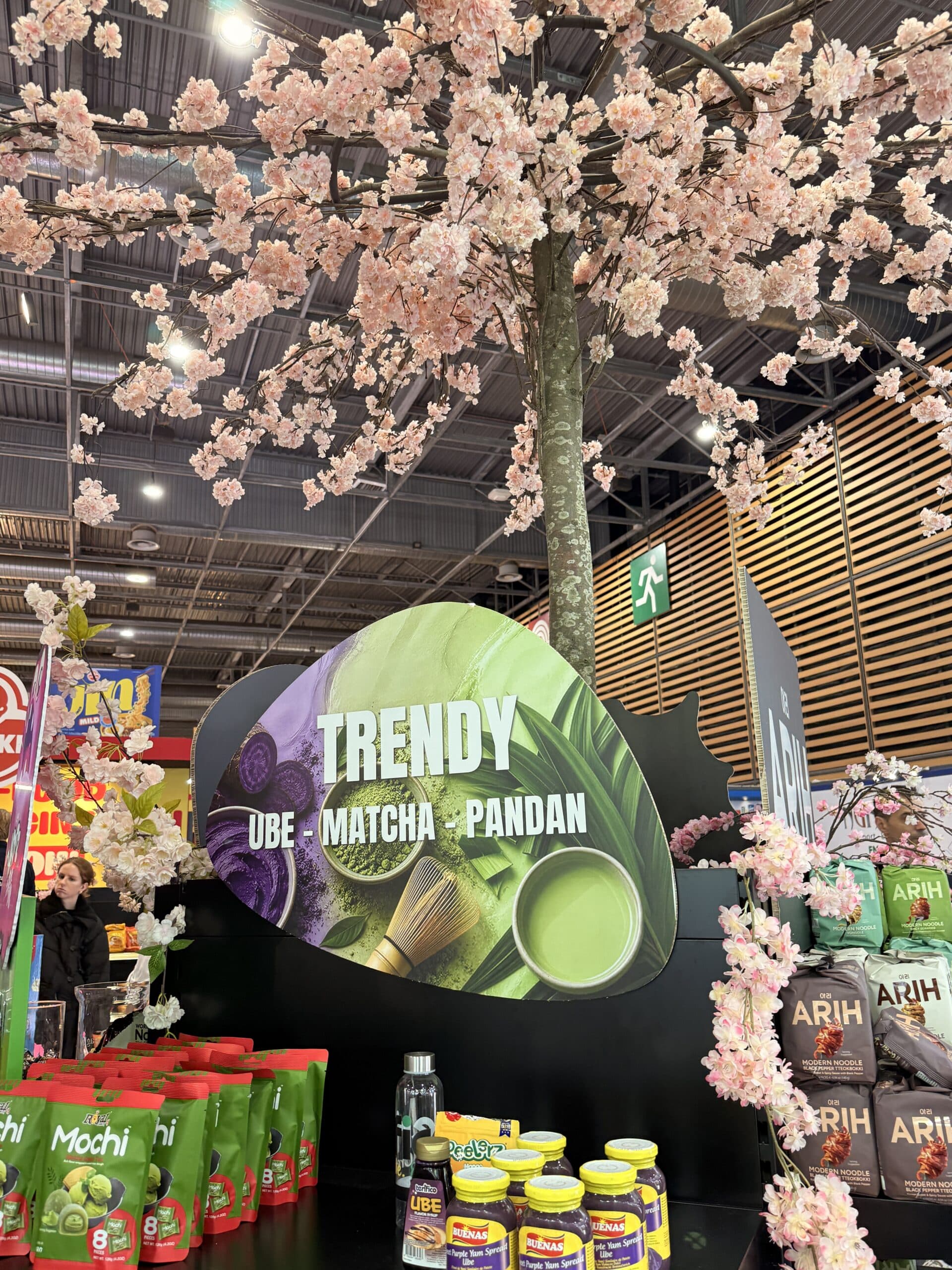
Cherry Blossom Tree
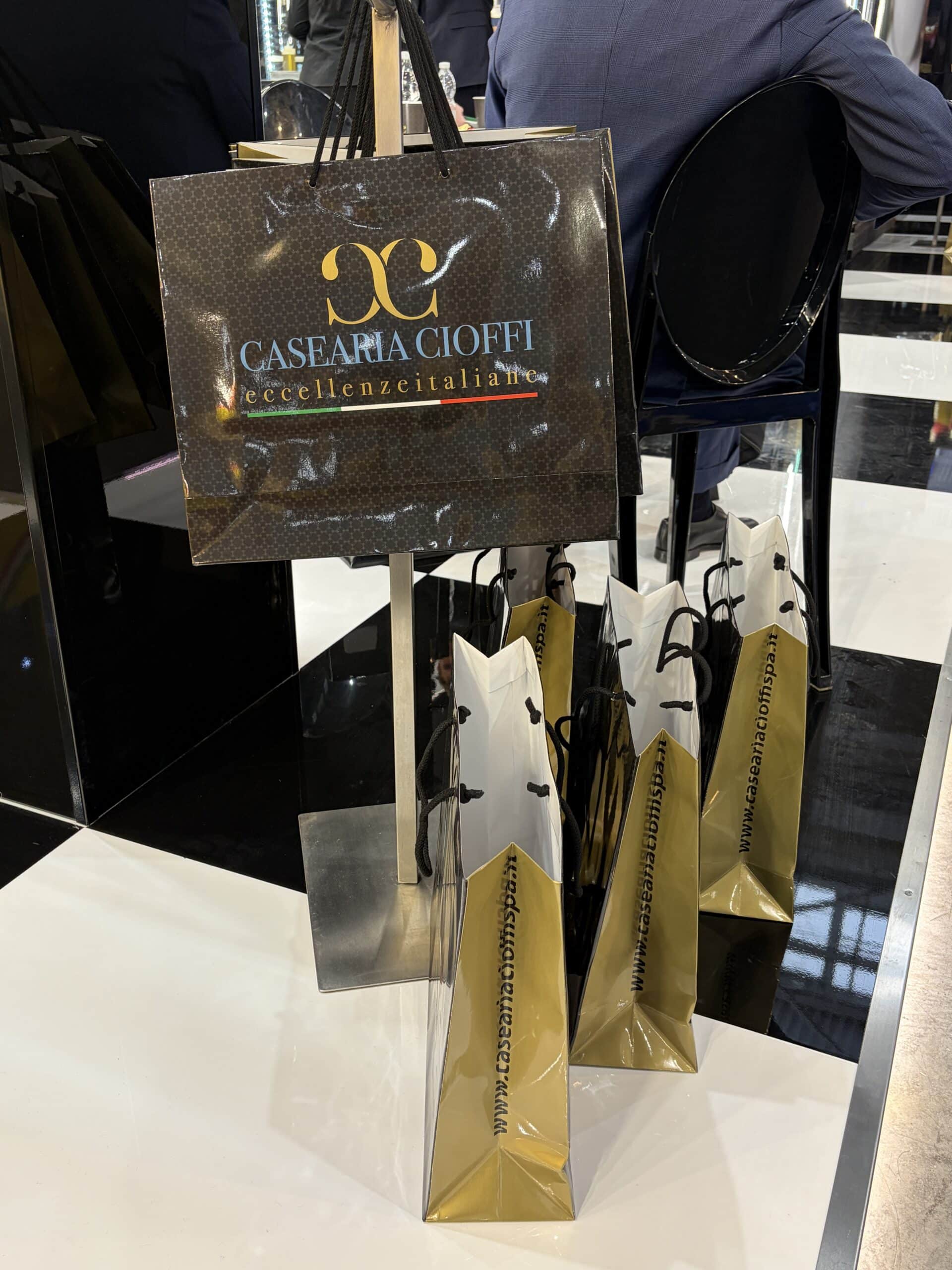
Italian Shopping Bags
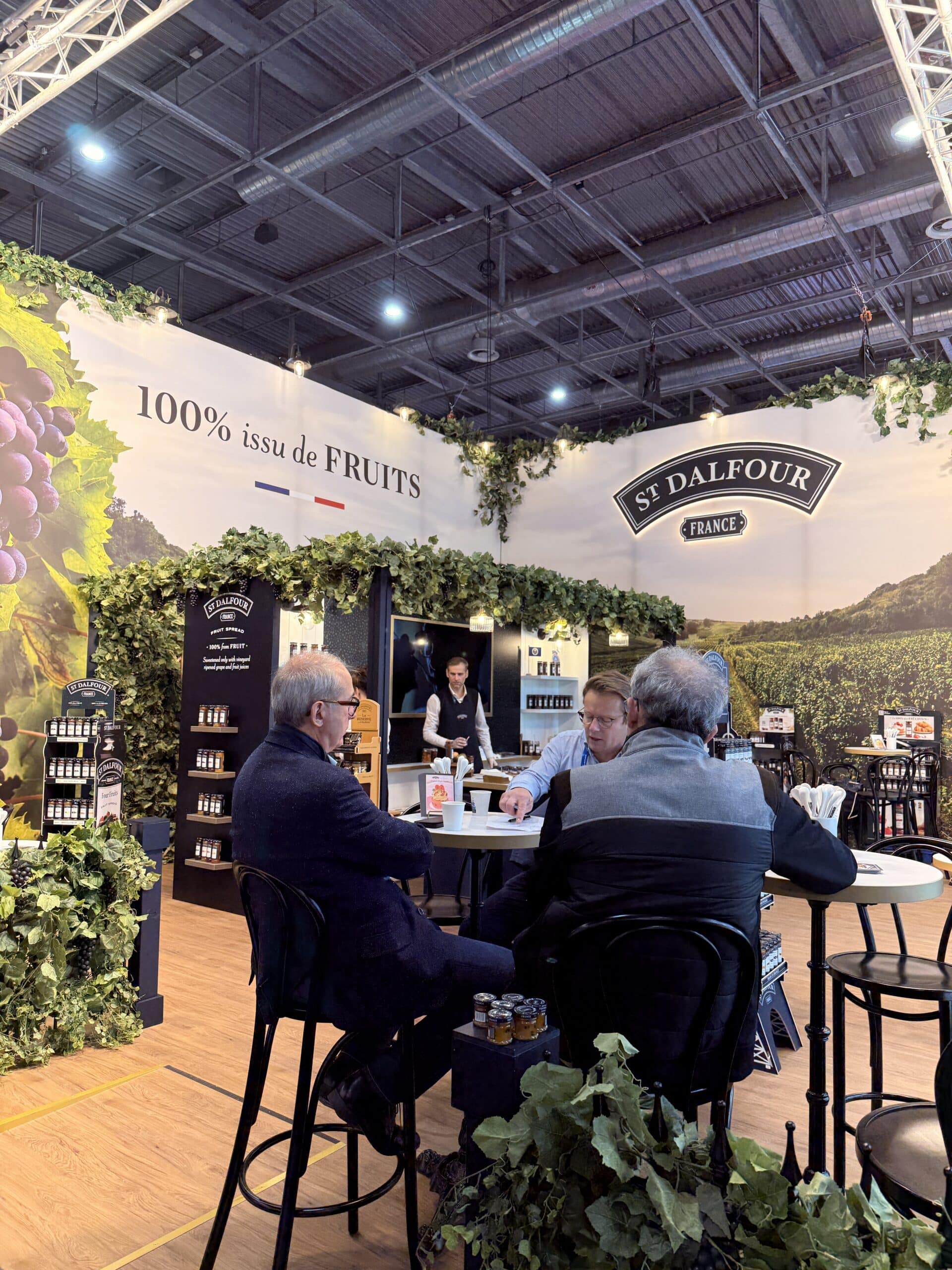
Vineyard St Dalfour
ENGAGEMENT
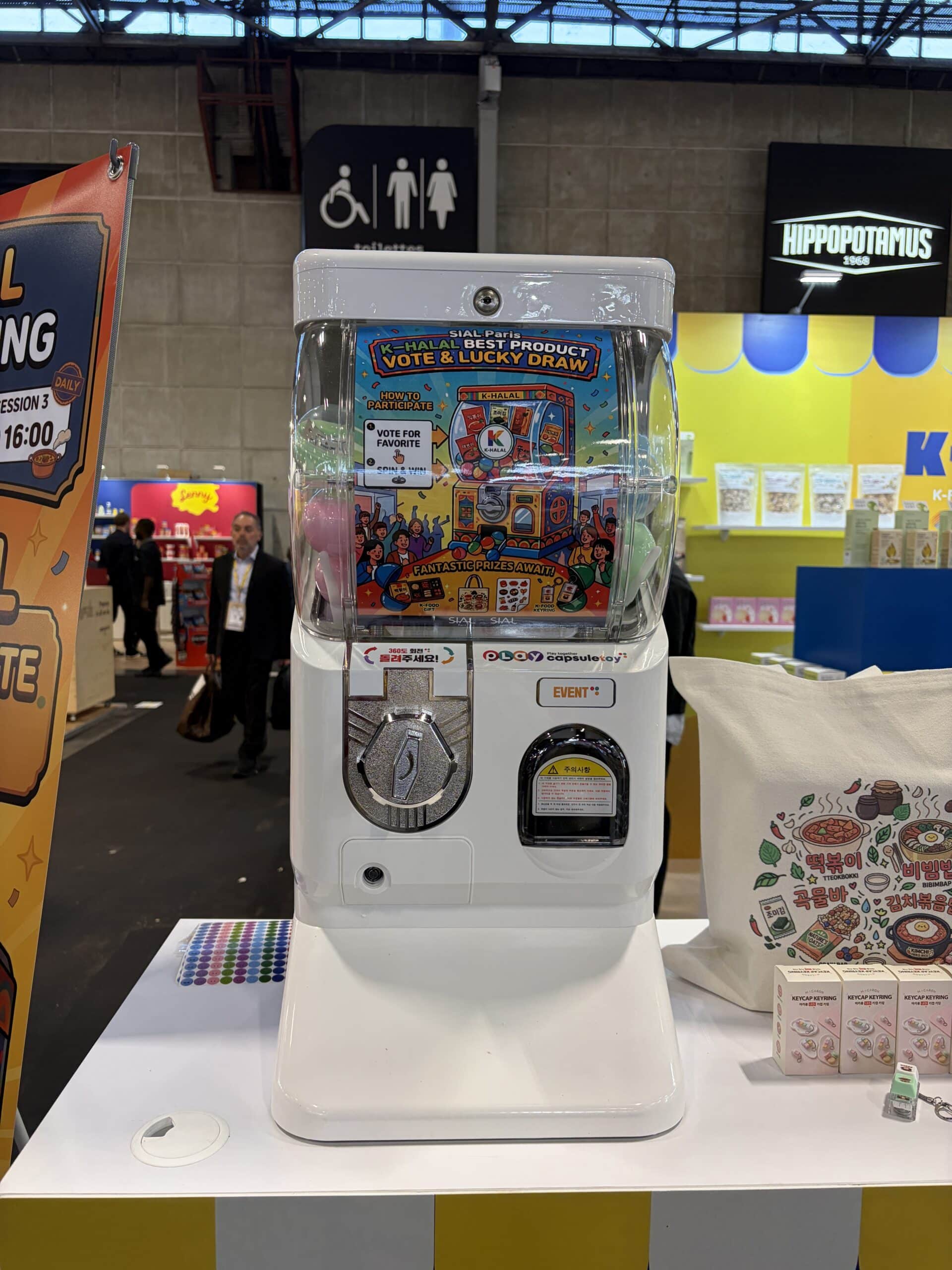
Bubble Gum Machine
Bee Habitat Nectarel
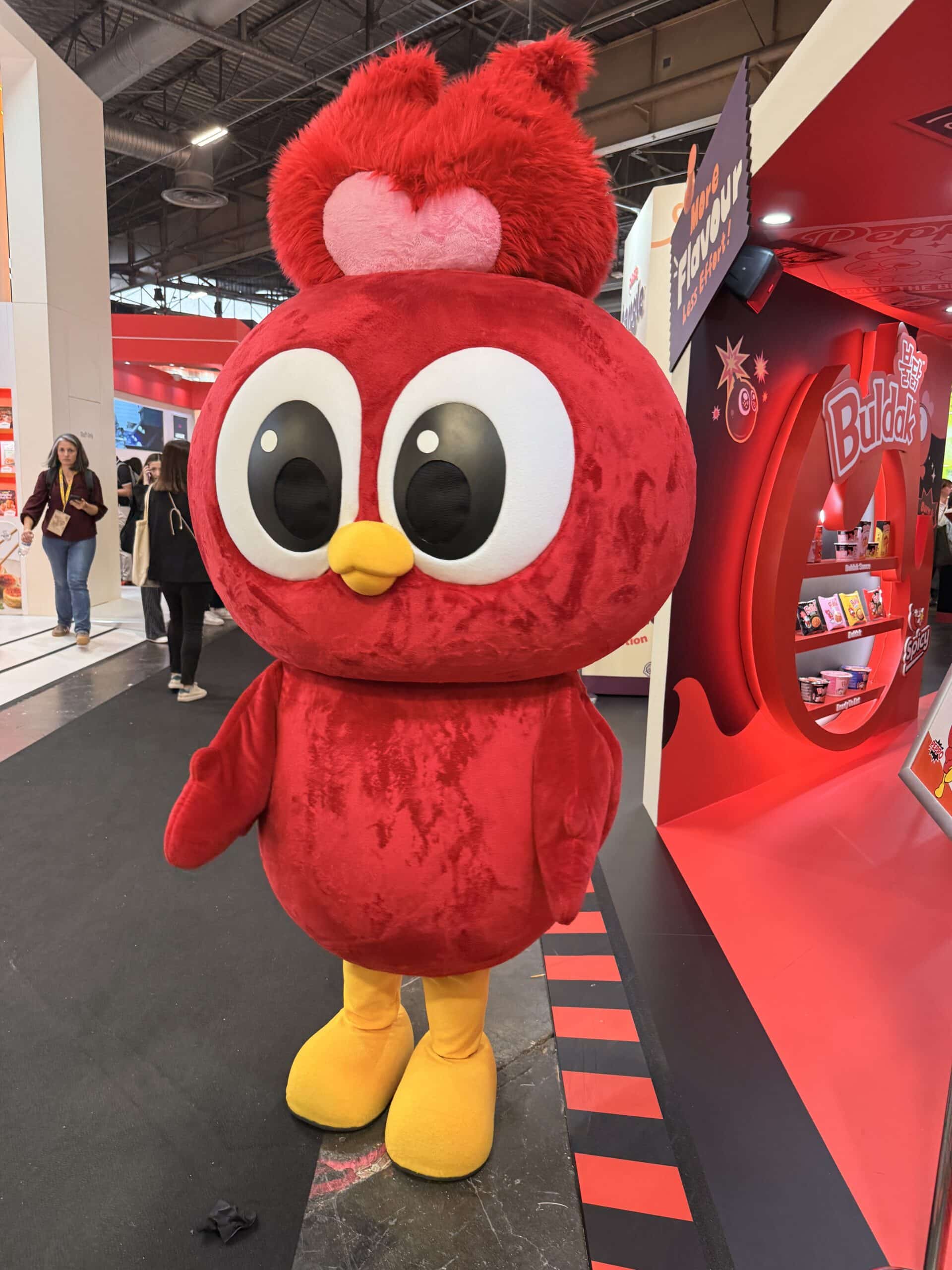
Buldak Mascot
MERCHANDISING
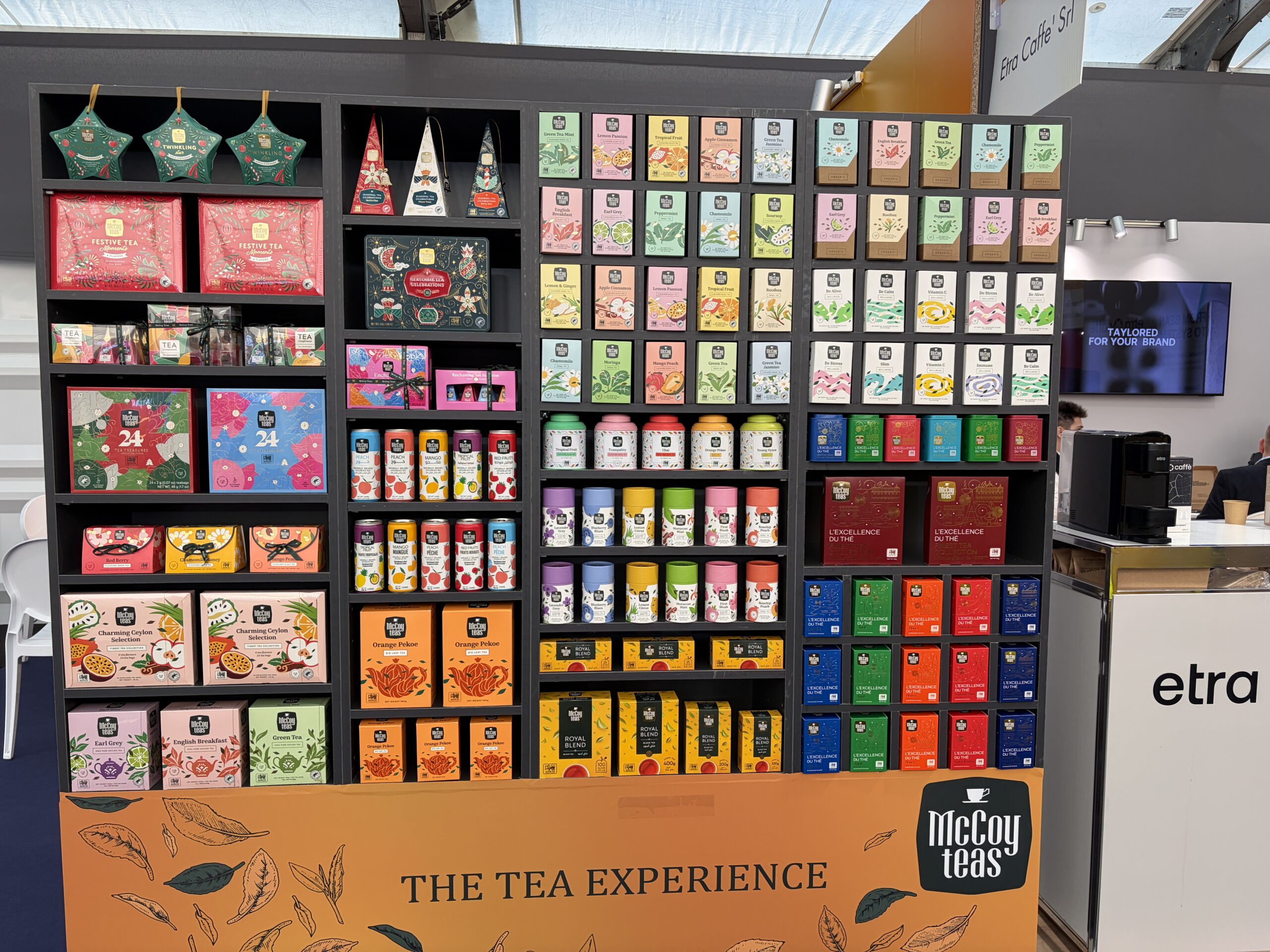
McCoy Teas
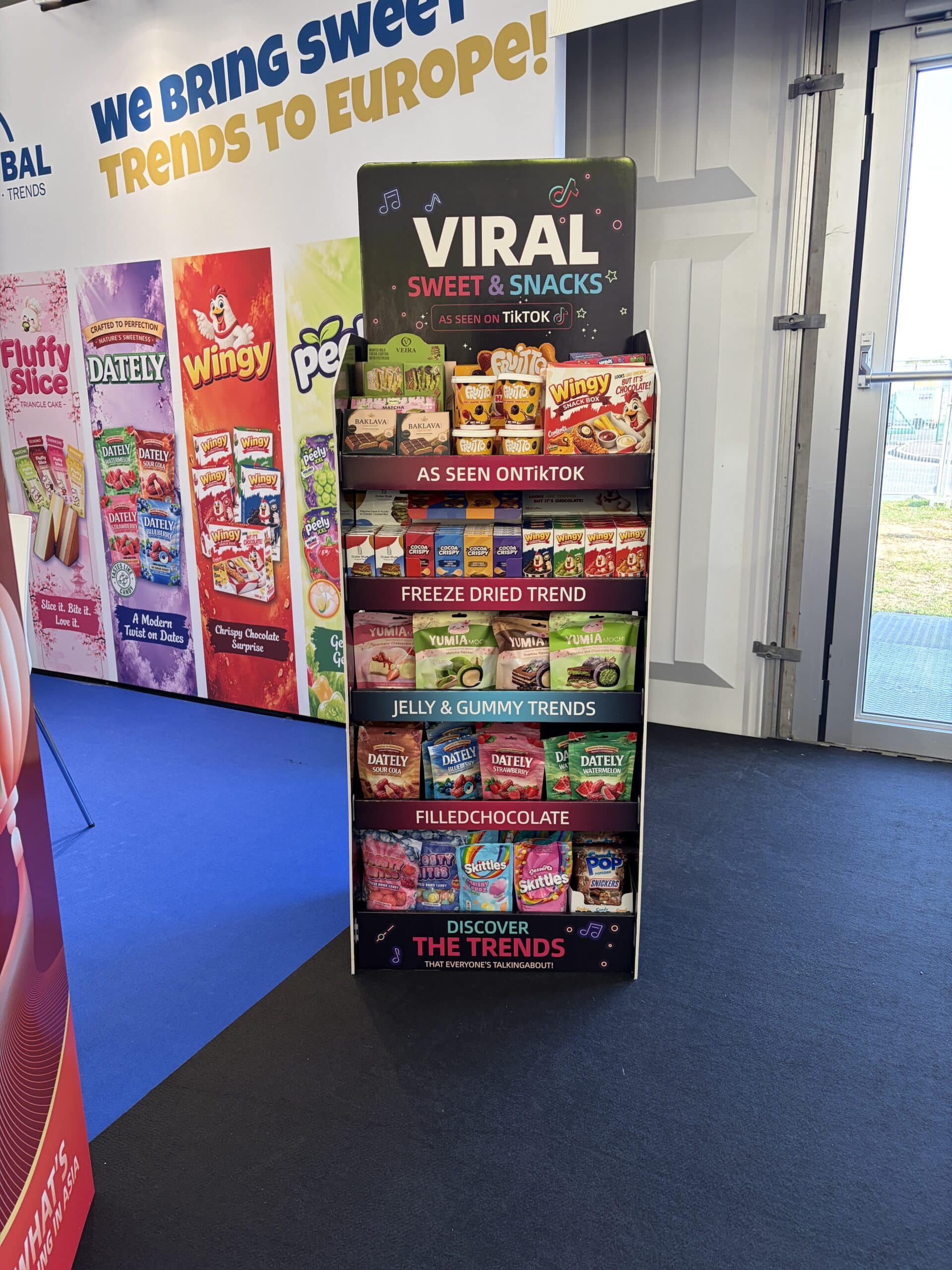
Shipper Trends
Let’s all think about how these unique finds can inspire our event spaces, product pipelines, packaging, and even in-store merchandising. Meanwhile, we’ll be counting the days until the next SIAL show in 2028!
Share this:
MAKE THEM HUNGRY: The Power of Craveable Marketing
Published on
In a marketplace overflowing with food imagery, product claims, flavors and innovations, simply getting noticed isn’t enough.
Why can one food image trigger an almost immediate physical response while another barely registers? The answer lies in craveability.
Because when it comes to food, we’re not just marketing ingredients, attributes or benefits. We’re marketing an experience our audience can almost taste.
Our Brains Eat First
Before we take a bite, our brains are already at work. Our brains are excellent at connecting sensory signals. One cue can trigger another, letting us cook up an entire dining experience without any actual food in front of us.
See steam rising from a bowl of rice, and you can almost feel the warmth.
Read the word “crunch” in big, bold, crackly font, and suddenly you can imagine the sound and texture.
See a GIF of sizzling bacon, and your nose immediately fills in the rest, leaving you wanting to search for the nearest diner.
This is what brings cravings to a raging boil.
When marketing builds anticipation around crispness, creaminess, richness, heat or freshness, it starts building the experience before the product is ever consumed.
The Art of Crafting Craveability
Creating appetizing advertising isn’t about making food look perfect. It’s about making it feel irresistible.
Show the Experience, Not Just the Product
A product shot tells someone what they’re looking at. A craveably crafted visual helps them imagine what happens next.
Texture is one of the fastest ways to communicate appetite appeal. The golden crunch of fried chicken. The glossy richness of mac and cheese. A juicy cut of barbecue revealing perfectly pink and tender smoke rings.
Movement can be equally powerful. An iconic cheese pull. Rising steam. A knife cutting through a perfectly cooked center. A spoon scooping, spreading or breaking through a crisp layer.
Create a Soundscape with Your Words
But craveability doesn’t live in imagery alone. The brand’s voice and tone, and the accompanying messaging, are just as powerful. Words that evoke any of the five senses can create anticipation instantly.
Claim vs. Experience: Think of the difference between describing Italian sausage as “delicious” and describing it as “tongue-tingling flavor with true Italian savoriness.” It gives the reader a tangible, relatable feeling they can easily imagine.
Sensorial Language: Instead of crispy, is it crackling, golden or shatteringly crisp? Instead of creamy, is it silky, whipped or velvety? Instead of flavorful, is it garlicky, buttery, tangy or charred?
The more clearly a description taps into the senses, the easier it is for the audience to fill in the experience mentally.
This is where food marketing shifts from being product-first to experience-first. The strongest marketing doesn’t ignore product benefits. It pairs optimal imagery and messaging to give those benefits more context.
Craving Memories, Moments & Culture
Of course, cravings aren’t created by sensory cues alone. Where we’ve been, who we’re with, and what’s happening around us deeply influence what we crave.
Culture: What foods we grow up with, the traditions we participate in and what holidays we celebrate.
Occasion: A breakfast craving is different from a late-night craving. Game day calls for something different than packing a lunch for school or work.
Environment: Looking at a restaurant menu is a totally different mindset than perusing a grocery shelf. A tropical vacation brings relaxed, indulgent energy, while a perfectly set table feels more formal.
Social Influence: A friend posting their happy hour appetizers. A busy, popular restaurant. Food has always been social, and today’s digital culture has made sharing food visually part of the eating experience itself.
Then there are the larger trends and cultural moments that give foods additional relevance. A flavor gaining momentum, like hot honey. A nostalgic dish making a comeback, PB&Js. A major sporting event, “the big game.” These moments can create the perfect opening for a product to become more than something people consume.
Don’t Just Make Them Notice. Make Them Want.
In a crowded marketplace, attention is only the beginning. The strongest brands turn attention into anticipation, and anticipation into desire.
Craveability gives marketers the framework for thinking beyond product information and toward a complete sensorial and emotional experience. It asks us to consider not only what we’re showing or saying, but what we’re making people imagine.
Because the goal isn’t simply to make someone stop scrolling, it’s to make them start imagining their next bite.
This article was originally published in partnership with Females in Food.Click hereto read the original piece.
Share this:
20 Extravagant Foods in Times of Restraint
Published on
Each year, we look at the ways in which people are using food as a form of self-expression. To our surprise there are still many examples of excess – expensive and exclusive experiences that feel disconnected from the current reality. In most households, food inflation is felt deeply and expected to accelerate.
Perhaps there’s a connection.
Just as comfort food is used to bring joy, curb anxiety and feed the soul – could extravagance do the same? In contemporary society, where food provides ‘a story to tell,’ it’s been suggested that “the way we eat becomes proof of how well we are living: how in control, how informed, and how committed to the project of self-optimization.” Premium food, in this context, is how we reward ourselves in times of restraint.
Here are some options.
Grocery
The last few years have catapulted fresh produce to luxury goods status. We’ve seen everything from celebrities with enviable gardens (hoping for an invite, Ina!) to a viral trend amongst parents sarcastically lobbying for support for their “berry fund.” This year? A $395 ruby-colored, Del Monte pineapple.
Others?
Dubai’s $980 cup of coffee, brewed with Panamanian beans for a floral, fruity flavor
Kinmemai Premium, the world’s most expensive rice, with only 1,000 boxes produced each year
The Roadkill Cook-Off, occurring on the last Saturday in September in Marlinton, WV, with dishes prepared from animals normally found dead on the highway
Utopia beer, a 30% alcohol brew illegal in 15 states
Cocktails at an F1 Arcade location, after an intensive ride in “cutting edge” simulators
A throwback to pre-inflationary times…affordable bars like Franks Wild Years ($12 or less), Carla ($13 or under) and Five Dollar Bar, in Washington, D.C.
Food’s Role in Healing (or Celebrating) After Divorce
Published on
A recent Pew Research study revealed that 1 in 3 U.S. marriages end in divorce. According to our own research, very few marketers are speaking to this sizable audience directly. What we tend to find more of are divorced communities talking to each other…about divorce, but also food.
Case in point? Divorce Salad. In 2024, Bon Appétit released a recipe inspired by one of their writer’s post-divorce cravings.
Also in 2024, AllRecipes published “Divorce Chicken,” a deliberate counterpoint to “Marry Me Chicken” recipes and inspired by the post-divorce “healing process.”
A full two years later, we see social conversation around Divorce Salad has increased +21%, and Divorce Chicken +83%, according to Tastewise.
Numerous articles and consumer forums discussing common pain points, e.g., appetite loss, disinterest in cooking, coping in the absence of the beloved family meal ritual, and food battles between exes over a child’s nutrition. Now add the “no one brings a lasagna” discourse, where divorcees highlight the social awkwardness surrounding breakups, the “death” of a marriage and lack of support for the grieving, and the sub-trend of comfort food deliveries from friends, perhaps partially prompted by the New York Times Cooking piece entitled “21 Dishes to Make for Someone Going Through a Hard Time”
Meanwhile – in married or partnered households – we note “food divorces,” a rebellion masterminded by the household’s exasperated primary cook.
The above represents not only a trend, but an opportunity for brands to consider the dynamics of the divorced household. In doing so, we encourage you to look beyond product solutions and turn your attention to messaging. As with all targeting, we recommend leading with empathy. This consumer is particularly raw, and in need of more than just coping strategies in the kitchen, but to be seen and understood. The potential to disrupt and resonate is high, as there are few brands with pointed storytelling. For inspiration, we’ll leave you with a short list of those who’ve tried:
Honey Maid’s #notbroken ad from 2014, celebrating children of divorce
IKEA’s “Where Life Happens” short film, depicting a child experiencing his new room “at Dad’s” for the first time
Summer travel season is upon us. For those still in the planning phase, we have a suggestion: a foodie vacation. Culinary tourism – the pursuit of unique, immersive eating and drinking experiences – is an estimated $12.6 billion dollar market, forecasted with an 11.9% CAGR through 2031. It seems some of us refuse to let rising transportation costs, new EU border requirements, heat domes, or crowds dissuade us.
Here’s our Top 11 from around the world, beginning with the U.S.:
Grape Camp: Getting hands – and feet – dirty, picking grapes off the vine and stomping them in vats with Sonoma County Winegrowers, enjoying meals in a picturesque vineyard, and retiring to luxury accommodations
C-Store Road Trips: Treating gas station food like a destination, planning stops for renowned offerings at places like Wawa (sandwiches), Buc-cee’s (BBQ and snacks), Powerstop (burgers and chicken wings), Gas Depot (boiled peanuts), Chevron or Mobil Taquerias (fresh, chile-lime chicharrónes), etc.
Vespa Food Tours: Spend a half-day tooling through Hanoi, braking for Michelin-recommended restaurants and local haunts
Luxury Train Service: Food & Wine proclaimed, “epic train rides with unforgettable cuisine,” including the Rocky Mountaineer (Canada), Royal Scotsman (Scotland), Great Journeys (New Zealand), Belmond Eastern & Oriental Express (Malaysia), and the Orient Express La Dolce Vita (Italy)
Cooking Workshops: Weeklong classes in France, Georgia, Italy, and Spain from Let’s Eat the World
Nordic Adventures: A six-night, chef-led tour exploring regional preservation techniques, geothermal cooking, sightseeing and the Northern Lights with The Chopping Block
Supermarket Raids:Visiting local grocery stores, to buy novel foods, edible souvenirs, or variations on American products
Hidden Bar Chasing: Setting a goal to visit hidden bars and speakeasies within a geographic area of your choice, or over time
Mexican Mixology: Travel in place at Mexico City’s Casona Roma Norte’s Akamba bar, with “a curated cocktail journey through the country’s most iconic spirits, from mezcal and tequila to sotol and beyond”
While there’s plenty here to inspire personal travel, it can also inspire your business. We recommend innovation in “global street food,” or borrowing ideas from international supermarket packaging – especially snack. In addition, consider sponsoring chef-led foodie tours or culinary travel programming through product placement, funding specific episodes or seasons, or co-branding short-form content like behind-the-scenes market tours or digital recipe reels.
Share this:
The Overseas Brands & Products Succeeding in the U.S.
Published on
There’s been a lot of press lately about an “invasion” of restaurant chains from overseas. It’s much bigger than that. In the food and beverage industry, it expands to include grocery aisles, liquor stores, bar menus, and even retailers.
In 2005, author Thomas Friedman argued in “The World is Flat,” that the internet, technology and outsourcing had “leveled the playing field” for innovation. Roughly twenty years ago, analysts began to sound an alarm bell – that the U.S. no longer held a monopoly on ideas or the capabilities to execute them.
Today, there’s plenty of evidence to point to an influx of new concepts, business models, and brands – as well as the U.S. consumers drawn to them.
And private label lines: Natures Nectar, Earthly Grains, Happy Harvest, Fremont Fish Market (ALDI) (Germany)
Spirits/Cocktails
In the beverage space, Datassential includes the following imports in their top picks for 2026:
Arak, a Middle Eastern anise-flavored spirit
Carajillo, Spain’s alternative to the espresso martini
Chicha, Latin America’s fermented beverage from maize
Dampfbier, Bavaria’s traditional brew
Roggenbier, Germany’s rye-forward beer
Kanna, South Africa’s functional, botanical, mood-altering drink infusion
Raicilla, Jalisco’s cousin to tequila
Rakija, the Balkan’s fruit brandy
Yemeni Coffee Houses, incorporating authentic coffee and rituals
Restaurant Chains
In away-from-home, experts refer to a “restaurant reckoning” where rising costs coupled with changing diner preferences trigger chain failure. Those closures are especially acute in QSR, casual and family dining, and even the formerly impenetrable fast casual segment. At present, even Starbucks is struggling.
Eyeing opportunity, international brands have landed to close the gap – leveraging speed, value, adventure, and novelty. Asian concepts currently dominate the list:
Din Tai Fung, considered “The World’s Greatest Dumplings” by Forbes, cited as “America’s Most Successful Restaurant Chain” by the Wall Street Journal, a “top earner” by Bloomberg, and celebrated with the “highest ACV in the industry” by Restaurant Business in 2025
Jollibee, a 10,000-unit Filipino chicken chain – with 107 units in the U.S. – currently preparing for an IPO
Luckin Coffee, and Cotti Coffee exploiting Starbucks weaknesses via automation and deep discounting; both hailing from China
Black Sheep Coffee, originating “across the pond” in the UK, and seeking to differentiate through 100% robusta beans vs. the traditional arabica
Chagee, a modern Chinese tea house, propelled by a “rags to riches” founder’s story, gorgeous décor and packaging, and signature milk tea lattes
Gong cha, a Taiwanese-based bubble tea chain with 21,000 global locations, including 240 in the U.S., known for customization and a special milk foam
Mixue, a kitschy, mascot-loving, Chinese value brand for ice cream treats and coffee
Eataly, an Italian food hall and marketplace, with 40 global locations, including 13 in the U.S.
All’Antico Vinaio, an Italian sandwich shop hailing from Florence, with 18 U.S. locations and counting, as well as presence in London, Rome, and Paris
The above successes are no coincidence. Each is chasing a white space that U.S. brands have missed. To us this suggests several things – that loyalty is no longer a given, the competitive set has widened to include imports, and consumers are hungry for alternatives. We recommend keeping an eye on innovators, (e.g., understanding global food trends outside of flavor profiles and cuisines), positioning yourself as a sourcing partner for market entry, and reimagining your value offerings for a volume play in these endlessly trying times.
Quite frankly, there are signals everywhere. In honor of Mental Health Awareness month, we’re providing further proof, and sharing ideas for both our industry and our personal lives.
The rise of executive function coaches hired to help high-level individuals support their brain’s “air traffic control system”
Unhappiness
The United States failing to make last year’s list of the top 20 happiest countries in the World Happiness Report – brought down by low scores from younger cohorts, said to be suffering “quarter” and “midlife” crises
Professional women experiencing a “midlife collision,” or “role overload” as they juggle care for children, siblings, partners and parents, along with work, finances, and health
Loneliness
The practice of “ghosting,” by friends, potential mates, and even prospective employers, and its link to mental health
Ingredient powerhouse ADM suggests leveraging fun flavors like roasted peach or grilled banana, and colors that trigger happy memories, such as “mellow yellow,” “sweet mint,” and “summer raspberry”
Dropping a throwback
According to experts, “nostalgia serves important psychological purposes, restoring our sense of control, and reminding us of our relationships…which in turn improves our well-being, boosts creativity, and makes us feel youthful and optimistic.” Newstalgia is the current manifestation – taking something iconic and giving it a modern twist. Revisit classic offerings and campaigns
Fostering connection
Leverage community-wide get-together’s like “America’s Potluck,” on July 5th, 2026
Functional ingredients and claims
A decade ago, the National Library of Medicine published research linking food choice and mental health. A key intervention for those at risk involved adjusting diets to address nutritional deficiencies – namely B vitamins, zinc, omega-3 fatty acids, and those that address inflammation and support the microbiome. Explore fortified products and storied ingredients linked to mental health or mood support
And to support our own mental health, we recommend:
A digital detox, spending less time on phones and social media
Introducing new rituals to “program your brain for resilience, clarity and connection.” Start by isolating a particular moment when you feel the most stressed or disconnected, and ritualize something small around it, like 3 deep breaths, a 5 minute daily check-in with a friend or loved one, a quick step outside to feel the sun, air and nature, or a mindful coffee/tea ritual focused on savoring the warmth and aroma
Replacing office happy hours with office workouts – early-morning yoga, walking meetings, group pickleball, etc.
Taking up a trendy hobby, e.g., mah-jongg, succulent gardening, or a silent book club
Trying “soft decluttering,” tidying one small space, like a junk drawer, to occupy the mind and hands, deliver a sense of accomplishment, and improve household function
The MLB regular season opener on March 25 heightens our collective anticipation of spring, and with it, our craving for stadium food. This month, we tackle venue trends, noteworthy concessions across the globe, and opportunities to play.
Key Trends
Common denominators across stadium offerings point to the following:
Max Indulgence
Hyper-Local
Global Inspired
Newstalgia
Mash-ups
State Fair Fare
Smart Tech
Let’s jump into examples of each.
Max Indulgence
These offerings exist at the intersection of comfort food and gluttony:
The Brisket Donut, a savory donut-shaped, deep-fried brisket item served atop mac and cheese, with BBQ sauce (Houston Astros – MLB)
The Griddle Stack, a double-decker beef patty and breakfast sausage patty, complete with cheese, maple peppercorn mayo and a “pocket pancake” (Milwaukee Brewers – MLB)
The Pizza Burger, a 16-ounce Angus patty sandwiched between two pepperoni pizzas, with lettuce, tomato, marinara, and mozzarella (Dallas Cowboys – NFL)
S’mores Load In Fries, a bed of sweet potato fries topped with chocolate hazelnut drizzle, toasted marshmallows, and graham cracker crumble (Indianapolis Colts – NFL)
Hyper-Local
Here the theme is “hometown favorites:”
Energizer Park in St. Louis, MO, featuring a 100% local food program, with over 20 St. Louis based restaurants showcased within the venue
Redlegs Barbeque Walking Taco, a bag of Cincinnati-based Grippo’s Montgomery Inn Saratoga chips topped with pulled pork, BBQ sauce, and coleslaw (Cincinnati Reds – MLB)
HTX Pit Plate, 14-hour smoked brisket, pulled pork, cornbread, creamy jalapeño slaw, and white cheddar mac and cheese, served with BBQ sauce (Houston Rockets – NBA)
Triple Pork Poutine, fries topped with bacon, pulled pork, sausage, cheese curds, and gravy (Toronto FC – MLS)
Takoyaki, tempura-battered octopus fritters with pickled ginger and green onion (Baseball stadiums, Japan)
Pie Floater, a breaded meat pie inverted into pea soup and garnished with tomato sauce (Soccer stadiums, Australia)
Haejangguk Soup, “hangover soup” made from cabbage and beef broth (Taekwondo arenas, South Korea)
Global-Inspired
While flavor profiles lean global, they tend to be global spins on American classics, or the reverse:
Cuban Dog, a hot dog bun topped with an all-beef hot dog, diced ham, pulled pork, white cheese sauce, and pickle (Guardians – MLB)
Pho Brisket Dip Sandwich, brisket on rye bread, topped with garlic mustard aioli, Thai basil, cilantro, scallions, and pickled red onions with pho broth on the side (Los Angeles Dodgers – MLB)
Union Hmong Kitchen Banh Mi Brat, Hmong sausage, pickled vegetables, and caramelized garlic aioli in a bun (Minnesota Twins – MLB)
Dippy’s Combo Sampler, a cheesesteak egg roll, chicken empanada, beef vegetable dumpling, vegetable potsticker and coordinating sauces accompanied by raspberry cheesecake (Pittsburgh Penguins – NHL)
CHIKO, crab rangoon, bulgogi-loaded tots, and sticky Chinese ribs (Washington Wizards – NBA)
Ropa Vieja Steam Buns, bao buns filled with smoked ropa vieja, pico de gallo, aji Amarillo sauce, and scallions (Miami Heat – NBA)
Mofongo Bites, plantain fritters topped with fresh pico de gallo, tajin pork cracklings, smoked garlic aioli, and cilantro (Miami Heat – NBA)
Newstalgia
Here, we note iconic items with a modern twist – without reliance on global flavors to do it
What Up Corndog, a blue honey-battered, spicy crunch corndog with a side of nacho cheese (Seattle Mariners – MLB)
Vanilla Creamed Whiskey, an adult version of the classic cream soda using premium rye whiskey and vanilla crème Monin (Minnesota Twins – MLB)
Mash-ups
Mostly, mainstream American “fusion:”
Smash Burger Taco, a griddled burger inside a flour tortilla
Buffalo Chicken Caesar Meatball Sub, buffalo chicken meatballs, and Caesar slaw on a hoagie roll (Indianapolis Colts – NFL)
State Fair Fare
Highly Instagrammable spectacles and bragging rights:
Uncrustable Crunch, a griddled strawberry Uncrustable topped with chicken bites and sour apple slaw (Kansas City Chiefs – NFL)
Cheez-It Crusted Turkey Legs, just like it sounds (Orlando Citrus Bowl, 2025)
IPA-Glazed Bacon on a Stick, brown sugar IPA-glazed pork belly and a side of pretzels (FC Dallas – MLS)
Chum Bucket, buttered popcorn topped with strawberry Pop Tarts, chocolate, and freeze-dried strawberries (San Jose Sharks – NHL)
Cotton Candy Burrito, cotton candy-flavored ice cream mixed with Fruity Pebbles, Fruit Loops, marshmallows, Skittles, mini-M&Ms, gummy bears and sprinkles in a cotton candy shell (Arizona Cardinals – NFL)
Smart Tech
Ways technology is helping to reduce concession wait times, improve spectator satisfaction, and increase overall stadium efficiencies:
Zero waste innovation, e.g., Seattle’s Lumen Field’s use of AI-driven sorting to improve waste diversion rates over 90%, reduce post-event clean-up from five days to 36 hours, lower compost contamination, and cut staff labor
In summary, concessions are central to the fan experience. Inspired by the above, we recommend:
Wrapping immersive concession experiences into any sports sponsorships
Bringing the stadium experience to supermarkets, with CPG versions so those without tickets can recreate the magic while watching at home
Incentivizing social media posts from “fans in the stands” while enjoying the item
Minimizing food and packaging waste – bonus if it can be self-contained in a handheld
Share this:
The Foods and Trends Behind the Year of the Horse
Published on
This month marks the start of the Lunar New Year. On February 17, we enter the Year of the Horse…or Fire Horse, specifically, and begin a 16-day long festival for the over 2 billion people who celebrate worldwide.
So, what does the Year of the Fire Horse suggest? That 2026 will be a year of action, energy, and movement – a “doing year,” where fire illuminates truth, sparking and accelerating innovation. The overall spirit is about blazing a trail and taking bold risks – with speed.
Sounds good to us.
With the U.S. Asian population having more than doubled since 2000, to over 25 million, the Year of the Horse observance is most prevalent in states with large Asian populations, like Washington, California, Texas, New York, and New Jersey.
But in a world more globally connected, exposure to culturally significant celebrations has increased. Today, we note growing, mainstream interest in events like Dia de los Muertos, Diwali, and of course, Lunar New Year. In fact, U.S. social listening demonstrates an increase in all three holidays, with Lunar New Year exhibiting the fastest growth.
Celebration
Social Discussion
Menu Mentions
Recipe Posts
Dia de los Muertos
-6%
+22%
+1%
Diwali
+6%
+3%
+3%
Lunar New Year
+11%
+52%
-8%
Source: Tastewise
The top foods most mentioned (and growing) in Lunar New Year posts?
Turnip cake +37%
Peking duck +38%
Pot stickers +26%
Sticky rice +41%
Bao buns +1%
Spring rolls +78%
Hotpot +3%
Fried noodles +33%
Kung pao chicken +74%
Egg rolls +16%
Banh mi +4%
Stir fry +52%
As you can see, the above foods reflect a variety of regional, Asian cuisine. It’s important to note that while regions may have distinct traditions or meals, they are united across three pillars during the festival: family reunion (and its corresponding feast), cleaning and decorating (to rid the home of bad luck and welcome the good), and giving money to children and elders via the traditional red envelope.
Chūnjié (春节), or Spring Festival. Cantonese 恭喜发财 gong hei fat choy (wishing you prosperity and good fortune) Mandarin 新年快乐 xīn nián kuài lè (Happy Chinese New Year)
Vietnamese
Floral and serene (yellow apricot and peach blossoms)
Visiting temples and considering the first person to enter your house after midnight determines your luck for the year
Square sticky rice cake with mung bean and pork, wrapped in banana leaves
Tết or Tết Nguyên Đán. “Chúc mừng năm mới!” (Happy New Year!) “Vạn sự như ý” (May all things go favorably)
Korean
Traditional and respectful
A formal bow to elders while wearing traditional clothing (Hanbok), followed by receiving “blessing money”
Seollal (설날) 새해 복 많이 받으세요 (Saehae bok mani badeuseyo)
Filipino
Chinese and Filipino fusion
The preparation of 12 fruits to represent prosperity for each month of the coming year
Sticky rice cake, often sliced, dipped in egg, and fried
The Tsinoy Lunar New Year 恭喜發財 Kong Hei Fat Choy is the Cantonese phrase used commonly in stores/sales. 恭喜新年 Kiong Hee Sin Ni or 恭喜發財 Kiong Hee Huat Tsai are the Hokkien (language) versions of Kong Hei Fat Choy used in that community
Source: Google Gemini AI
Now let’s look at how food-oriented brands are participating in the festival, by way of LTOs.
Aside from the obvious use of red (symbolizing luck, happiness, prosperity…and fire), there is a distinct lean into “energy and motion” – particularly horses in motion. We note horses in mid-gallop, manes flowing in the wind, tails lifted, or in a stance that signifies they are about to advance.
Don Julio: Year of the Horse bottle merging traditional, Mexican ikat rebozo patterns and the Chinese zodiac horse – and tie to the brand’s birth in 1942 – also a Year of the Horse
At least visually, the above examples suggest that Lunar New Year marketing has finally moved past the highly predictable “Red Envelope” promotions, and though quite beautiful and arresting, has not yet pushed beyond zodiac animals and red backgrounds. To stimulate your thinking for next year, we suggest considering collaborations with Asian American creators, chefs, or artists, and capturing the overall spirit of “reunion” during the festival – fostering connection over food, drink and shared experiences.
In 2027, we will welcome the Year of the Goat – a Fire Goat, actually – with a shift toward artistry, peace, and healing. A gentler energy. If Fire Horse conjures the speed and high energy of a “wildfire”, the Fire Goat is akin to a “hearth fire” – a warm, simmering vibe. Think craftsmanship, curated packaging, slow food, and wellness.